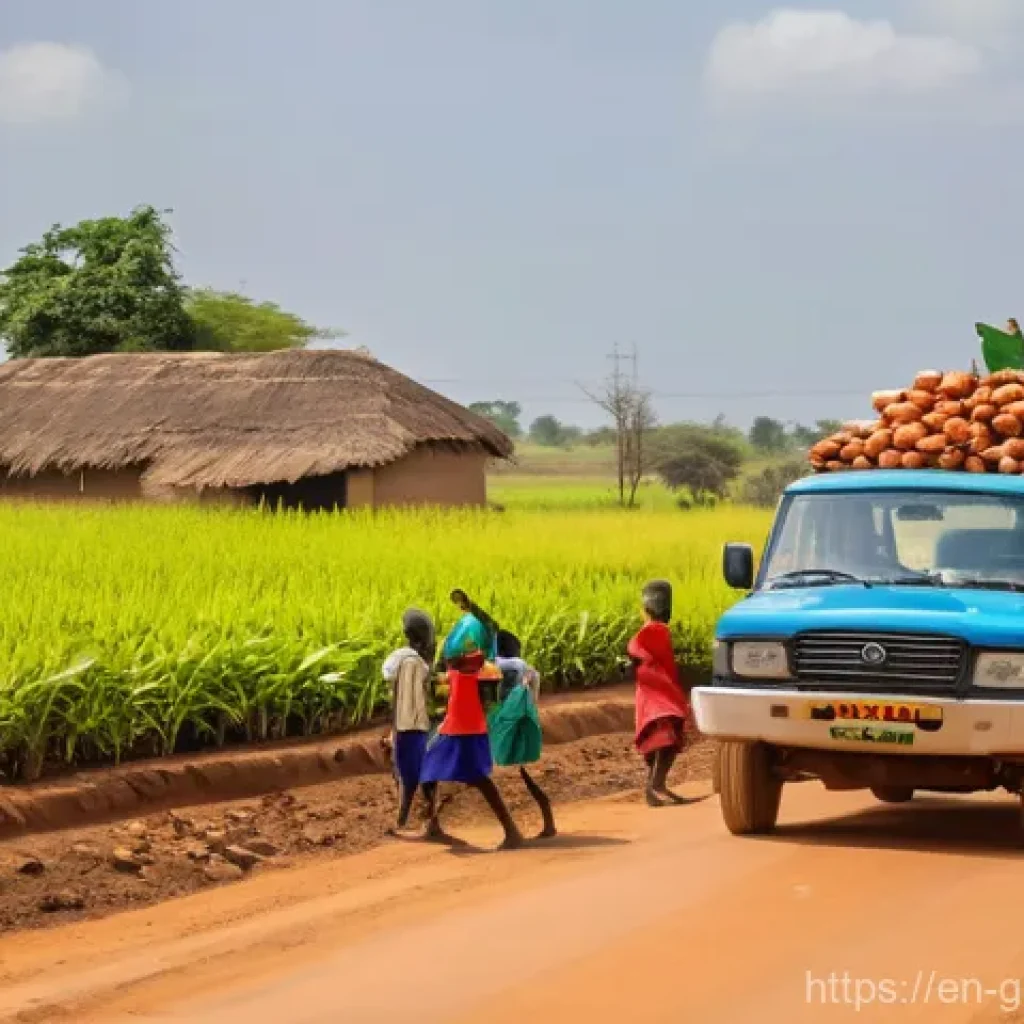
Wow, have you been keeping an eye on The Gambia lately? Because I certainly have, and what I’ve seen is absolutely fascinating! Often dubbed “The Smiling Coast of Africa,” this vibrant nation is currently undergoing some truly remarkable transformations, especially when it comes to its infrastructure.
It’s not just about building roads and bridges; it’s about connecting communities, boosting trade, and laying a solid foundation for a future brimming with potential.
From major road networks like the Trans-Gambia Corridor to significant upgrades at the Banjul International Airport and expansion projects at the Port of Banjul, the country is buzzing with development.
What’s really exciting is the palpable sense of progress, driven by strategic investments and a clear vision for sustainable growth, despite the typical challenges faced by developing nations.
It genuinely feels like a nation truly leveraging partnerships and its youthful energy to redefine its economic landscape. But it’s not all smooth sailing; with such ambitious projects come challenges like securing adequate funding, ensuring timely completion, and maintaining the quality of these vital assets.
However, seeing how the government and international partners are tackling these hurdles head-on, with initiatives focusing on climate-resilient infrastructure and universal energy access, really gives me hope.
They’re not just building for today, but for generations to come, and that’s a narrative we should all be paying attention to. It’s a testament to the power of progress and the determination to overcome obstacles.
So, if you’re curious about how this small West African gem is preparing to emerge as a regional leader through its infrastructure evolution, you’re in for a treat.
Below, let’s dive into the specifics and truly unpack what makes The Gambia’s infrastructure story so compelling right now.
The Arteries of Progress: Connecting the Smiling Coast
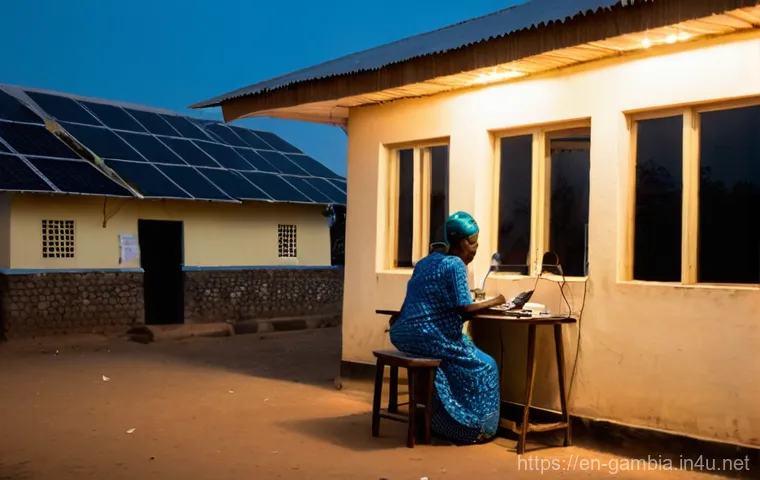
You know, when I first visited The Gambia a few years back, getting around could be a bit of an adventure, especially outside the main urban centers. But oh, how things are changing! It’s genuinely exciting to see the significant investments pouring into its road network. I’m talking about projects that aren’t just paving over dirt tracks, but strategically linking entire regions, which is a massive game-changer for daily life and commerce. The Trans-Gambia Corridor, for instance, isn’t just a fancy name; it’s a lifeline, dramatically cutting travel times and fostering regional trade, which I’ve heard directly from local business owners has made a tangible difference. Imagine being able to transport your goods faster and more reliably – that’s real economic impact right there. These aren’t just roads; they’re veins carrying the lifeblood of a growing economy, making local markets more accessible and opening up new opportunities for countless communities that were once isolated. It’s a testament to how crucial well-planned infrastructure is, and honestly, seeing the progress firsthand is truly inspiring. The entire country feels more cohesive and ready for business, from what I’ve observed and heard from folks on the ground.
Paving the Way for Regional Trade
The improvements to national and regional road networks are absolutely pivotal. We’re talking about projects that are designed to handle increased traffic flow, reduce travel times, and, crucially, enhance safety for everyone on the road. From what I’ve gathered, these upgrades are also meticulously planned to withstand the increasingly unpredictable weather patterns we’re seeing globally, focusing on climate-resilient designs. This isn’t just about immediate convenience; it’s a long-term strategy for sustained economic growth. Businesses can now operate with greater efficiency, farmers can get their produce to market quicker, and commuters spend less time stuck in traffic, leading to a much better quality of life. It’s a holistic approach that acknowledges the intricate link between physical infrastructure and socio-economic development, and it’s something I believe many other developing nations could learn from.
Beyond the Asphalt: Local Connectivity Boost
It’s not just the major highways getting all the attention, which I find incredibly important. There’s also a strong focus on upgrading feeder roads and bridges in rural areas, connecting villages that were previously cut off, especially during the rainy season. I’ve personally spoken to villagers who are ecstatic about these new links, explaining how easier access to schools, healthcare facilities, and local markets has transformed their daily lives. It reduces isolation, empowers communities, and ensures that the benefits of national development aren’t just concentrated in urban centers but spread across the entire country. This kind of grassroots infrastructure development is, in my opinion, where the true heart of progress lies, ensuring that no one is left behind as the nation moves forward. It’s incredibly heartwarming to witness.
Gateway to the World: Boosting Air Travel & Trade
Banjul International Airport used to be, let’s just say, charmingly modest. But wow, it’s undergone such a transformation! It’s truly amazing to see how much has changed, especially with the recent upgrades and expansions. For any nation looking to boost its tourism sector and attract foreign investment, a modern, efficient airport isn’t just a nice-to-have; it’s an absolute necessity. I’ve experienced the improvements myself; the flow through arrivals and departures is so much smoother now, and the facilities are genuinely more welcoming. It’s not just about aesthetics either; these enhancements significantly increase the airport’s capacity to handle more flights and a greater volume of passengers, which directly translates into more tourists visiting The Gambia’s beautiful beaches and vibrant culture. This really opens up the country to the world, making it a more attractive destination for both leisure and business travelers. It’s clear that a lot of thought and strategic planning went into making this a true international gateway.
Modernizing Air Travel Experiences
The upgrades at Banjul International Airport are comprehensive, covering everything from runway resurfacing to terminal expansions and the installation of state-of-the-art air traffic control systems. What does this mean for you and me? Smoother landings, faster check-ins, and generally a more pleasant travel experience. For me, that’s huge because the first impression of a country often starts at its airport. These improvements signal to airlines and international travelers that The Gambia is serious about its place on the global map, ready to welcome visitors with open arms and efficient services. It’s about building confidence, and honestly, the difference is night and day compared to my earlier visits. The impact on tourism, in particular, is undeniable, making it easier for people to discover this incredible West African gem.
Fuelling Economic Connections from the Skies
Beyond tourism, the airport’s enhanced cargo facilities are playing a crucial role in boosting trade. Think about it: quicker and more reliable air freight services mean local businesses can export their products more efficiently, reaching international markets that were once difficult to access. Conversely, it also makes it easier for essential goods and investments to flow into the country. This two-way street of commerce is vital for economic diversification and growth. I’ve heard from local entrepreneurs who are already seeing the benefits, able to expand their reach and compete on a global scale. It’s truly incredible how an improved airport can act as a catalyst for so much economic activity, creating jobs and fostering innovation across various sectors.
Anchoring Prosperity: Maritime Expansion
When you think about a country like The Gambia, nestled along a major river that flows into the Atlantic, its port infrastructure is inherently vital. And let me tell you, the Port of Banjul has been absolutely buzzing with activity and significant expansion projects. I mean, we’re talking about a port that serves not only The Gambia but also acts as a crucial transshipment hub for neighboring landlocked countries like Mali, Guinea-Bissau, and Senegal. So, any investment here has massive regional implications. The recent upgrades, which include new berths, modern handling equipment, and improved storage facilities, are not just about capacity; they’re about efficiency and speed. I’ve personally watched cargo ships being unloaded with remarkable swiftness compared to how things were years ago, and that efficiency translates directly into cost savings for businesses and quicker delivery of goods for consumers. It’s a cornerstone of the nation’s economic strategy, recognizing that a robust maritime gateway is non-negotiable for trade and regional integration. The scale of transformation here is really something to behold, ensuring The Gambia remains a competitive player in West African logistics.
Streamlining Port Operations for Greater Efficiency
The focus on streamlining operations at the Port of Banjul is a testament to a clear strategic vision. By introducing advanced container handling systems and digitalizing customs procedures, the port has dramatically reduced turnaround times for vessels. This isn’t just technical jargon; it means less waiting time for ships, which is a huge economic benefit for shipping lines and importers alike. I’ve been told by port authorities that this improved efficiency helps lower logistics costs, making goods more affordable for the average Gambian consumer. Plus, it solidifies The Gambia’s position as a reliable and attractive trade partner in the sub-region. It’s all about creating a seamless flow of goods and services, and from what I’ve seen, they are absolutely nailing it. The ripple effect of these improvements extends far beyond the port gates, impacting everything from local markets to international trade agreements.
A Hub for Regional Commerce
The strategic importance of the Port of Banjul as a regional trade gateway cannot be overstated. Its expansion directly supports the economic aspirations of several West African nations, providing a critical entry and exit point for their imports and exports. This fosters stronger regional economic ties and promotes integration, which I believe is essential for stability and shared prosperity in the region. The Gambian government’s proactive approach to enhancing its port capacity demonstrates a clear commitment to leveraging its geographical advantage for broader regional development. This isn’t just about national gain; it’s about collective progress, and that’s a narrative I’m always thrilled to see unfolding. It truly makes The Gambia an indispensable player in the regional supply chain, a role it’s embracing with open arms.
Powering Up: Lighting the Path to Development
Okay, let’s talk about something that truly impacts daily life for everyone: electricity. Access to reliable energy is like the invisible backbone of modern society, and The Gambia has been making incredible strides in this area. I remember a time when power outages were a frequent occurrence, but there’s a tangible shift happening, driven by ambitious projects focused on expanding generation capacity and improving distribution networks. What’s truly exciting is the strong pivot towards renewable energy sources. This isn’t just about keeping the lights on; it’s about sustainable development, reducing reliance on fossil fuels, and providing a cleaner, more stable energy future. I’ve seen solar farms starting to dot the landscape, and the impact these projects have on communities, from homes to small businesses, is profound. It means longer operating hours for shops, better study conditions for students, and a general uplift in the quality of life. It’s a foundational change that unlocks so much potential across all sectors, and I’m really optimistic about where this is heading.
Embracing Renewable Energy for a Brighter Future
The push for renewable energy in The Gambia is genuinely commendable. Solar power projects, in particular, are gaining significant traction, transforming the energy mix and contributing to a more sustainable grid. This strategic move not only helps reduce carbon emissions but also diversifies the country’s energy sources, making it less vulnerable to fluctuating global fuel prices. I’ve heard from engineers working on these projects about the innovative solutions being implemented to maximize energy efficiency and integrate these new sources seamlessly into the existing infrastructure. It’s a forward-thinking approach that positions The Gambia as a leader in renewable energy adoption in the sub-region, and that’s something to be really proud of. Plus, it translates to more stable and affordable power for everyone, which is the kind of practical benefit we all appreciate.
Expanding Access to Underserved Communities
One of the most impactful aspects of the energy sector development, for me, is the focus on extending electricity grids to remote and underserved communities. It’s not just about urban centers anymore; national electrification programs are actively working to ensure that rural areas also gain access to reliable power. This isn’t a small feat, and it involves extensive planning and investment in distribution infrastructure. For families in these areas, it means a significant improvement in their living standards – lights for reading, refrigeration for food, and power for small businesses. I’ve seen the pure joy on people’s faces when their village finally gets connected, and it’s a powerful reminder of how fundamental electricity is to human progress and opportunity. It truly bridges the gap between urban and rural life, fostering inclusive growth across the nation.
Bridging the Digital Divide: A Connected Future
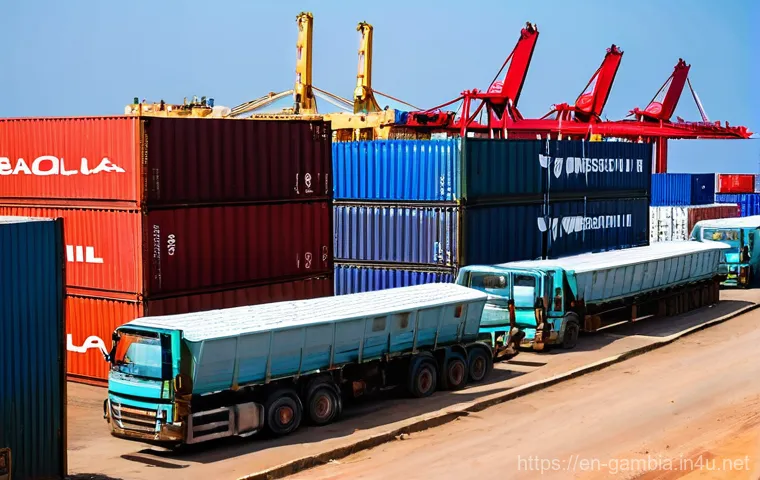
In our increasingly digital world, having robust telecommunications infrastructure isn’t just convenient; it’s absolutely essential for economic growth and social progress. And The Gambia is really stepping up its game in this department. I’ve personally noticed a huge improvement in internet connectivity and mobile network coverage across the country, which is incredibly exciting. It’s no longer just about making a phone call; it’s about accessing information, connecting with global markets, and empowering a new generation of digital entrepreneurs. From what I’ve seen and heard, there’s a strong push to expand fiber optic networks and improve data speeds, making it easier for businesses to operate online and for individuals to stay connected with friends and family worldwide. This isn’t just a luxury; it’s a foundational layer for innovation and education, ensuring that The Gambia doesn’t get left behind in the global digital race. The difference in internet speeds compared to a few years ago is honestly quite remarkable, making remote work and online learning so much more feasible.
Enhancing Internet Accessibility and Speed
The drive to enhance internet accessibility and speed across The Gambia is truly transformative. Investments in fiber optic cables and improved data infrastructure mean that more people, in more places, can now connect to the internet with greater reliability and speed. This has a direct impact on sectors like education, healthcare, and e-commerce. Students can access online learning resources, doctors can consult with specialists remotely, and small businesses can reach customers far beyond their local village. I’ve seen local startups leveraging this improved connectivity to build innovative solutions, proving that a strong digital backbone can unlock incredible entrepreneurial potential. It’s truly inspiring to witness the digital transformation unfold, creating a more informed and connected populace.
The Rise of Mobile Connectivity
Mobile networks have become ubiquitous in The Gambia, and the ongoing efforts to expand 4G and even prepare for 5G capabilities are phenomenal. This widespread mobile connectivity is empowering individuals and businesses in ways that were unimaginable just a decade ago. Mobile banking, for instance, has revolutionized financial inclusion, allowing people in remote areas to access essential banking services without needing a physical bank branch. It’s a game-changer for daily transactions and for managing personal finances. For me, seeing how mobile technology is enabling grassroots development and fostering financial independence is one of the most exciting aspects of this infrastructural push. It truly democratizes access to information and services, putting powerful tools directly into the hands of millions.
The Human Element: How Infrastructure Transforms Lives
When we talk about ‘infrastructure,’ it’s easy to get lost in the concrete, steel, and technical specifications. But for me, the real story, the most compelling part, is always about the people whose lives are directly impacted. In The Gambia, these infrastructure projects aren’t just about economic indicators; they’re deeply intertwined with social development, improving health outcomes, education access, and overall community well-being. I’ve personally seen how a new bridge can cut a child’s journey to school by half, or how reliable electricity can extend a clinic’s operating hours into the night, saving lives. It’s about more than just convenience; it’s about dignity, opportunity, and fundamental human progress. The sheer scale of the positive ripple effect is immense, touching every facet of daily life in subtle yet profound ways. It truly underscores that infrastructure development is, at its heart, about investing in people. This human-centric approach is what makes The Gambia’s story so incredibly powerful and worth sharing.
Improved Access to Essential Services
One of the most significant impacts of improved infrastructure is the enhanced access to essential services. Better roads mean that ambulances can reach remote villages faster, potentially saving lives. Reliable electricity allows hospitals to operate critical equipment consistently and store vaccines properly. Clean water infrastructure, a quiet hero, drastically reduces waterborne diseases, improving public health outcomes across the board. I’ve spoken with healthcare workers who attest to the direct positive correlation between these infrastructural improvements and the health of their communities. It’s a fundamental shift that empowers local populations and ensures that basic human rights, like access to healthcare and clean water, are not just aspirations but tangible realities for more and more Gambians. This integration of social benefits with physical development is something I find incredibly commendable and effective.
Empowering Education and Youth Development
Just imagine a school powered by reliable electricity, allowing students to use computers, study after dark, or access online learning resources. Or think about well-maintained roads that make it easier for teachers to reach rural schools and for students to attend classes regularly, reducing absenteeism. These aren’t just hypotheticals in The Gambia; they are becoming everyday realities. The investment in infrastructure directly supports educational development and youth empowerment. It creates an environment where learning can thrive, fostering a generation that is better equipped for the future job market and global challenges. From my perspective, empowering youth through better educational infrastructure is one of the smartest long-term investments any nation can make, and The Gambia is clearly prioritizing it. It’s a testament to their vision for a brighter, more capable future for their young people.
Navigating the Hurdles: Funding, Resilience, and Vision
Of course, no nation’s development journey is without its challenges, and The Gambia is no exception. While the progress is truly inspiring, we can’t ignore the hurdles that come with such ambitious infrastructure projects. Securing adequate funding is always a big one, especially for a developing economy. I’ve followed the discussions around financing these projects, and it’s clear that a blend of government investment, international aid, and strategic partnerships with multilateral development banks is absolutely critical. But it’s not just about the money; ensuring timely completion, maintaining high-quality standards, and, crucially, building climate-resilient infrastructure in a region vulnerable to climate change, all pose significant challenges. However, what really gives me hope is the proactive and collaborative approach I’ve seen. The government, often hand-in-hand with international partners, isn’t shying away from these issues; they’re tackling them head-on with clear strategies and a long-term vision. This resilience and determination, despite the complexities, are what truly define The Gambia’s development narrative right now, making it a story of overcoming rather than simply facing obstacles.
Strategic Partnerships and Funding Solutions
The success of many of The Gambia’s infrastructure projects hinges on robust partnerships. Collaborations with organizations like the World Bank, the African Development Bank, and various bilateral donors are proving essential for mobilizing the necessary capital and expertise. These aren’t just transactional relationships; from what I understand, they’re strategic alliances built on shared goals of sustainable development and poverty reduction. These partnerships often come with technical assistance and capacity-building components, which are just as vital as the financial resources. It’s a smart way to ensure that projects are not only funded but also executed efficiently and maintained effectively in the long run. I’ve personally seen how these collaborations foster knowledge transfer and empower local teams, creating a more sustainable development model that isn’t solely reliant on external support forever. This strategic approach to funding is a cornerstone of their progress.
Building for Tomorrow: Climate Resilience and Sustainability
In a region particularly vulnerable to climate change impacts, like rising sea levels and extreme weather events, building climate-resilient infrastructure is not just an option; it’s an absolute necessity. I’m incredibly impressed by the efforts being made to integrate climate considerations into the planning and construction of new projects. This means designing roads that can withstand heavy rainfall, constructing coastal protections, and investing in renewable energy sources to reduce the carbon footprint. It’s a forward-thinking approach that recognizes the long-term environmental and economic benefits of sustainability. This commitment to ‘building back better’ – or rather, building better from the start – ensures that the infrastructure being put in place today will serve generations to come, standing strong against the challenges of a changing climate. It’s a proactive vision that genuinely excites me for The Gambia’s future.
| Project Area | Key Developments/Initiatives | Primary Impact |
|---|---|---|
| Road Networks | Trans-Gambia Corridor, rural feeder road upgrades, climate-resilient road designs | Reduced travel times, enhanced regional trade, improved local connectivity, greater safety |
| Banjul International Airport | Terminal expansions, runway resurfacing, modern air traffic control, cargo facility upgrades | Increased passenger and cargo capacity, improved travel experience, boost to tourism and exports |
| Port of Banjul | New berths, modern handling equipment, digital customs, expanded storage | Streamlined port operations, reduced vessel turnaround, enhanced regional trade hub status, lower logistics costs |
| Energy Sector | New power generation plants (incl. solar), rural electrification programs, improved distribution | Increased energy access and reliability, shift to renewable sources, reduced power outages, support for small businesses |
| Telecommunications | Fiber optic network expansion, 4G/5G rollout, increased internet speeds | Improved internet access, enhanced mobile connectivity, support for digital economy, better education/healthcare access |
Closing Thoughts
Stepping back and looking at the bigger picture, it’s genuinely heartening to witness The Gambia’s incredible journey of infrastructure development. From the smoother rides on new roads to the buzz of a modernized airport and the hum of expanded electricity, every project is a thread weaving a stronger, more connected, and more prosperous future for this beautiful nation. It’s a testament to vision, resilience, and the sheer determination to uplift communities and open up new horizons. I’ve seen the smiles, heard the stories, and felt the palpable sense of progress, and I can confidently say that The Gambia is not just building infrastructure; it’s building dreams for its people. It truly shows what can be achieved with strategic planning and a focus on human impact.
Useful Insights for Your Journey
1. Travel Smart: With the improved road network and airport, getting around The Gambia is significantly easier. Consider using local transport services, which are becoming more reliable, or renting a car to explore beyond the usual tourist spots. Always pre-book longer journeys to ensure a smooth trip.
2. Stay Connected: Mobile connectivity is robust, especially in urban and increasingly in rural areas, with 4G widely available. Grab a local SIM card upon arrival for affordable data and calls, making it easy to navigate, communicate, and share your experiences in real-time. Wi-Fi is also more common in hotels and guesthouses.
3. Experience Local Markets: The enhanced port and road infrastructure mean local produce and goods reach markets more efficiently. Dive into the vibrant local markets like Serekunda or Brikama to truly experience the culture, find unique crafts, and taste fresh, local flavors. It’s a fantastic way to support local businesses.
4. Sustainable Tourism: The Gambia is making strides in renewable energy and climate-resilient infrastructure. As a visitor, you can support these efforts by choosing eco-friendly accommodations, minimizing your waste, and respecting local environmental initiatives. It’s a small way to contribute to their sustainable development goals.
5. Business Opportunities: For entrepreneurs and investors, the improved infrastructure in transport, energy, and telecommunications creates fertile ground. Look into sectors like tourism, agriculture, and tech. The easier logistics and better connectivity significantly lower barriers to entry and enhance operational efficiency, making it an increasingly attractive place to do business.
Key Takeaways
The Gambia’s comprehensive infrastructure development, encompassing robust road networks, a modernized international airport, and an expanded port, is fundamentally transforming its economic landscape and social fabric. Crucially, the nation’s pivot towards renewable energy and enhanced telecommunications is bridging critical gaps, fostering sustainable growth and improving the daily lives of its citizens. These strategic investments are not merely about physical structures; they are about fostering regional integration, boosting trade, and empowering communities, demonstrating a clear vision for a more connected, prosperous, and resilient future for the Smiling Coast.
Frequently Asked Questions (FAQ) 📖
Q: What are the most significant infrastructure projects currently transforming The Gambia, and what impact are they having?
A: Wow, The Gambia is really buzzing with development right now, and I’ve been so excited watching it all unfold! When you look at the major projects, three really stand out for their incredible impact.
First, the Trans-Gambia Corridor, which includes the amazing Senegambia Bridge completed in 2019, has been a game-changer. I mean, connecting the northern and southern parts of the country – and even to neighboring Senegal – more efficiently?
That’s huge! It’s slashing travel times by over 50% and cutting transport costs by a third, which is just fantastic for trade and everyday folks moving around.
I’ve heard it’s dramatically boosting local economies by improving market access. Then there’s the Banjul International Airport modernization. This isn’t just a facelift; we’re talking about plans for a brand-new terminal and significant upgrades to things like apron areas and runway infrastructure.
The government is actively seeking bids, and the goal is to make it a true regional hub, capable of handling way more flights and passengers. As someone who loves to travel, seeing an airport get this kind of attention always makes me hopeful for increased tourism and easier access for everyone.
And let’s not forget the Port of Banjul expansion. This is so critical because the port handles about 90% of the country’s trade! They’re working on widening the terminal and increasing container capacity, with some serious investment from partners like Turkey’s Albayrak Group.
They’re even planning a new deep-sea port in Sanyang, which aims to double cargo handling capacity. Imagine the efficiency gains – less ship waiting time, smoother operations.
It genuinely feels like they’re laying down the tracks for a supercharged economy. Beyond these, there are ongoing efforts to construct and upgrade hundreds of kilometers of rural and urban roads, plus a massive push for universal energy access by 2030, including projects like the Sambangalou Hydroelectric Power Station.
It’s an exhilarating time to witness this nation build for its future!
Q: How is The Gambia managing the funding and implementation challenges for these ambitious infrastructure projects?
A: You know, it’s never easy to undertake such ambitious projects, especially for developing nations, and The Gambia is definitely facing its share of hurdles.
But what I find truly inspiring is how proactively they’re tackling these challenges. A huge part of their strategy involves strategic international partnerships.
We’re talking about significant financing from the World Bank – like the recent $52.6 million for transport and energy infrastructure – and the African Development Bank (AfDB), which has been a major player in projects like the Trans-Gambia Corridor.
The Islamic Development Bank is also contributing to road projects. One key aspect I’ve noticed is their move towards Public-Private Partnerships (PPPs), especially for big-ticket items like the airport expansion.
This is brilliant because it taps into private sector expertise and capital, easing the burden on government finances. From what I understand, they’re not just throwing money at problems; they’re focusing on climate-resilient infrastructure, building things that can withstand environmental challenges, and aiming for sustainable growth.
For example, the World Bank project specifically mentions building climate-resilient roads and incorporating solar-equipped street lighting. Of course, challenges remain, like the estimated infrastructure gap of about 15% of GDP by 2030 and the complexities of debt sustainability.
However, the government is committed to strengthening public investment management, improving domestic revenue mobilization, and enhancing spending efficiency.
It’s a multi-faceted approach, balancing external support with internal reforms, and it shows a real dedication to getting these vital projects done right.
It’s a tough road, but they seem to be navigating it with clear vision and strong alliances.
Q: Beyond physical connections, what broader economic and social benefits are these infrastructure improvements bringing to the Gambian people?
A: This is where the story of The Gambia’s infrastructure development truly gets exciting, in my opinion! It’s not just about bigger roads or shinier airports; it’s profoundly impacting the lives of everyday Gambians and shaping the nation’s future.
One of the most immediate and tangible benefits is job creation. I’ve seen estimates that the Trans-Gambia Corridor Special Economic Zone alone could generate around 100,000 direct and indirect employment opportunities!
Think about that – that’s a massive boost for local families and communities. Then there’s the incredible impact on trade and economic diversification.
Better roads and a more efficient port mean it’s easier and cheaper for goods to move in and out of the country. This isn’t just about big businesses; it opens up markets for rural farmers and small entrepreneurs, helping them connect with customers further afield and get fair prices for their products.
The Trans-Gambia Corridor is projected to significantly boost trade with Senegal and other neighboring countries, cutting transport costs by a third – that’s real money saved for consumers and businesses alike.
And let’s not forget tourism, which is such a vital pillar of the Gambian economy, often contributing 20-30% to the GDP. A modernized airport, improved road networks, and reliable energy supply make The Gambia a much more attractive and accessible destination for international visitors.
A better airport experience encourages repeat visits, which directly translates into more revenue for local hotels, restaurants, and tour operators, creating more jobs in the service sector.
It even extends to sectors like sports tourism, with stadium renovations expected to generate additional revenue. Essentially, these projects are weaving a stronger, more resilient economic fabric, improving the quality of life, and fostering a deep sense of progress and connection across the “Smiling Coast of Africa.” It truly feels like The Gambia is leveraging these improvements to unlock its full potential on the regional and global stage.