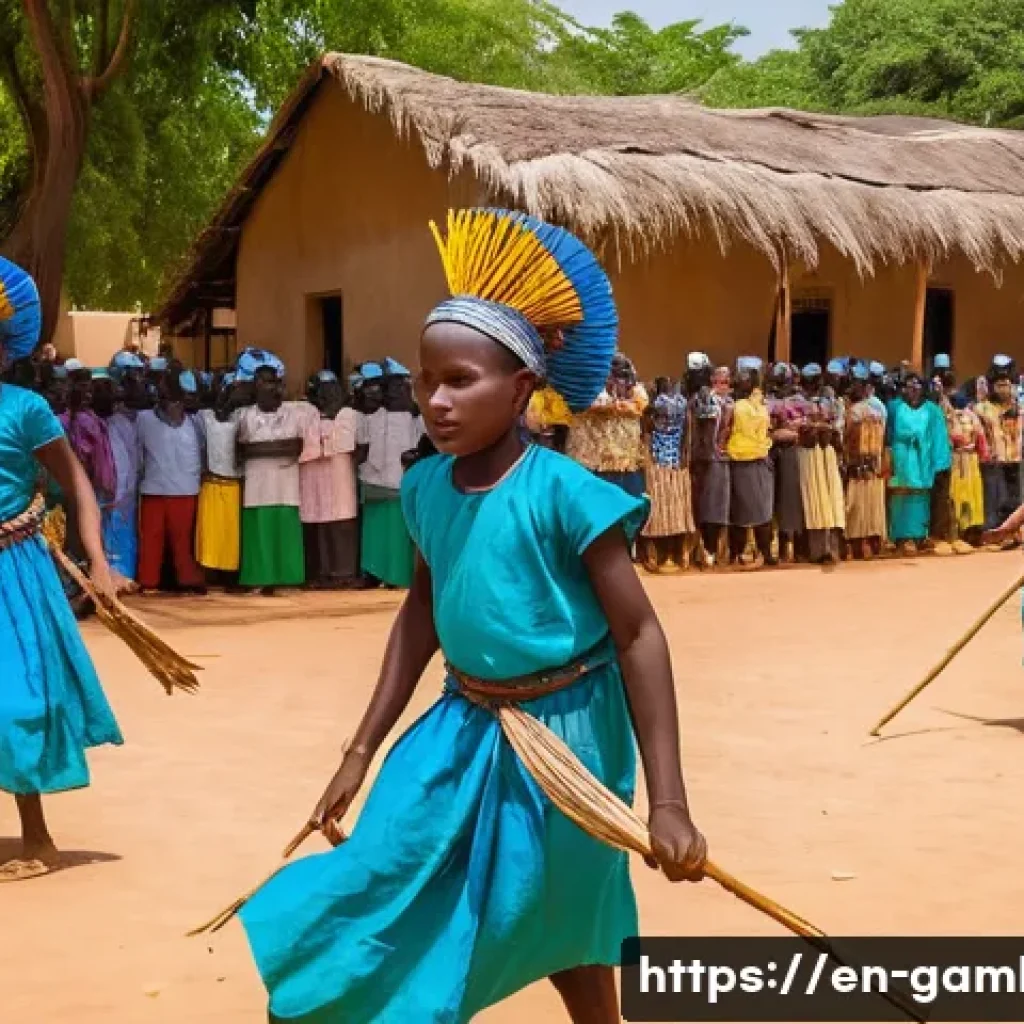
Ever felt that undeniable pull towards a place where history whispers from every corner and joy explodes in a riot of color and sound? If you’re anything like me, you’re not just looking for a vacation; you’re chasing authentic connections and moments that truly stick with you long after the passport stamp fades.
And let me tell you, when it comes to raw, vibrant cultural immersion, The Gambia absolutely delivers. This incredible West African gem might be small in size, but its spirit is colossal, especially when its people come alive to celebrate their rich heritage through a dazzling array of festivals.
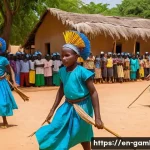
Imagine drums pounding, dancers swirling, and stories being told not just through words, but through every single joyous movement and melody – that’s the heartbeat of Gambia’s festive scene.
From ancient traditions passed down through generations to modern celebrations reflecting the nation’s evolving identity, these gatherings are more than just events; they’re living archives, vibrant classrooms, and powerful community glue.
In a world increasingly craving genuine experiences and a deeper understanding of diverse cultures, Gambian festivals offer an unparalleled window into the soul of a people.
I’ve found that witnessing these firsthand is truly something else, an unforgettable journey that broadens your perspective and fills you with an incredible sense of wonder.
Ready to discover the magic, the meaning, and the sheer exhilaration of these incredible events? Let’s dive in and explore the major festivals that make The Gambia so uniquely captivating, together!
The Gambia, often lovingly called the “Smiling Coast of Africa,” isn’t just about beautiful beaches and serene river cruises. It’s a place where history resonates and culture explodes in incredible, unforgettable ways.
If you’re like me, someone who craves a truly immersive travel experience, then you absolutely must dive into the vibrant world of Gambian festivals. They are more than just events; they are living, breathing narratives of a nation’s soul, showcasing the incredible resilience, joy, and deep-rooted traditions of its people.
I’ve been fortunate enough to witness a few of these, and each time, it felt like stepping into a storybook, a sensory overload of sound, color, and genuine human connection.
Unearthing Ancient Rhythms and Spiritual Protectors
The Mystical Presence of Kankurang
One of the most captivating experiences I’ve had in The Gambia was encountering the Kankurang. This isn’t just a costume; it’s a living, breathing entity, a traditional Mandinka masquerade figure shrouded in bark and leaves, believed to possess powerful spiritual and judicial functions.
You feel a palpable shift in the atmosphere when the Kankurang appears, often during initiation rites for young boys, symbolizing protection and guidance as they transition into manhood.
The rhythmic drumming, the piercing whistles, and the intense, almost hypnotic dances of the Kankurang are truly something to behold. It’s a tradition that’s been passed down through generations, and seeing it live, especially in places like Janjanbureh, which is considered its birthplace and where an annual festival breathes new life into this ancient practice, truly makes you feel connected to something much older and deeper than yourself.
It’s a UNESCO-recognized Intangible Cultural Heritage, and rightly so, as it embodies the heart of Mandinka culture, teaching young men about community rules, hunting, and medicinal plants.
The energy it generates is electrifying, a blend of reverence and sheer excitement that pulls everyone, locals and visitors alike, into its powerful orbit.
When I saw it for the first time, I honestly felt a shiver down my spine – a powerful, awe-inspiring display of cultural heritage.
Roots Homecoming: A Journey Back to Ancestry
Another deeply moving festival that stands out in my memory is the International Roots Festival. This biennial event, often held in May, is an incredibly significant gathering for the African diaspora, inviting people from across the globe to reconnect with their ancestral homeland.
It’s more than just a celebration; it’s a poignant commemoration of the transatlantic slave trade and a powerful affirmation of identity and heritage.
The festival includes a range of activities, from vibrant cultural performances and music to historical reenactments and deeply emotional visits to sites like Kunta Kinteh Island and Fort James, places etched with the painful memories of slavery.
I remember speaking with some attendees who had traveled thousands of miles, and their stories of finding a sense of belonging and understanding were incredibly touching.
It’s a week-long immersion that blends joyous cultural exchange with a profound journey into history, offering workshops, seminars, and art exhibitions that truly make you reflect on the enduring spirit of a people.
The cross-continental music collaborations are a highlight, featuring spontaneous mashups of West African, Caribbean, and American artists, creating a raw, collaborative sound that truly comes alive.
It’s an experience that genuinely broadens your perspective and fills you with a deep appreciation for the Gambian spirit.
Celebrating Life’s Milestones and Community Bonds
The Joyful Noise of Naming Ceremonies and Weddings
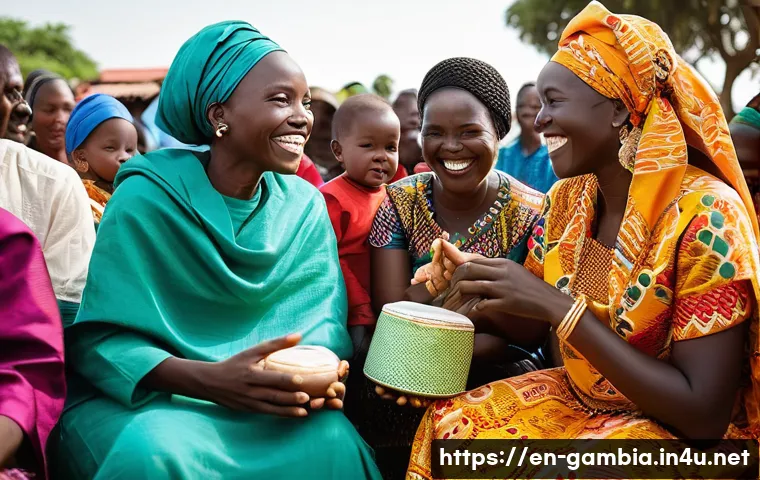
Beyond the grand national festivals, if you’re lucky enough to be invited to a local naming ceremony or a wedding, you’ll witness the sheer, unbridled joy that defines Gambian celebrations.
I once stumbled upon a naming ceremony in a small village, and it was a riot of color, dancing, and music that lasted all day and well into the night.
These ceremonies, which typically take place a week after a child is born, are deeply communal events. Elders gather to name the baby, often accompanied by the symbolic sacrificing of a chicken, goat, sheep, or cow, depending on the family’s means.
Then, everyone – friends, family, and even curious visitors like myself – is invited to join the feast and festivities. It’s a beautiful display of community spirit, with vibrant dancing, heartfelt singing, and an open invitation to share in the happiness.
Likewise, Gambian weddings are spectacular affairs, bursting with traditional music, elaborate attire, and non-stop revelry. These are intimate glimpses into the warmth and hospitality of the Gambian people, moments that truly make you feel like part of the family, even if just for a day.
Honoring Harvests and Local Traditions
The Gambian calendar is also dotted with a variety of local cultural festivals that celebrate the bounty of the land and specific ethnic group traditions.
The Bureng (Koosee) Cultural Festival, held annually in March, is a prime example. This festival, originating in 2015 from the efforts of young people in Bureng concerned about preserving their heritage, marks the end of the harvest season.
It’s a time when food is plentiful, and communities can relax before the rainy season begins, showcasing traditional dances, music, storytelling, and delicious local cuisine and crafts.
I find these local harvest festivals particularly endearing because they highlight the deep connection Gambians have to their land and their traditions, offering a genuine look into the daily lives and cultural pride of agricultural communities.
Similarly, the Kayong Kalon Cultural Festival, held in October, brings together the Karoninka clan, including members from Guinea Bissau and Senegal, to safeguard their language and culture.
These gatherings underscore the diverse tapestry of Gambian identity, showcasing traditions that might otherwise be on the verge of disappearing.
A Glimpse into the Gambian Festival Calendar
| Festival Name | Typical Timing | Primary Focus | Key Activities |
|---|---|---|---|
| Janjanbureh Kankurang Festival | Late January | Mandinka cultural heritage, traditional masquerade, initiation rites | Masked dances, drumming, cultural performances, community gathering |
| International Roots Festival | Biennial, often May | African diaspora heritage, transatlantic slave trade commemoration | Cultural performances, historical site visits, music, workshops, art exhibitions |
| Banjul Cultural Festival | Late December – Early January | Local Banjul culture, masquerade parades | Colorful parades, traditional music and dance, art exhibitions, local cuisine |
| Bureng (Koosee) Cultural Festival | Mid-March | Mandinka harvest celebration, preservation of cultural practices | Traditional dances, music, storytelling, local cuisine, crafts |
| Fanal Parades | Christmas/New Year’s period | Lantern festival, community celebration, street parades | Elaborate lantern floats, music, dancing, house visits for donations |
The Glow of Lanterns: Fanal Parades
Illuminating Christmas and New Year
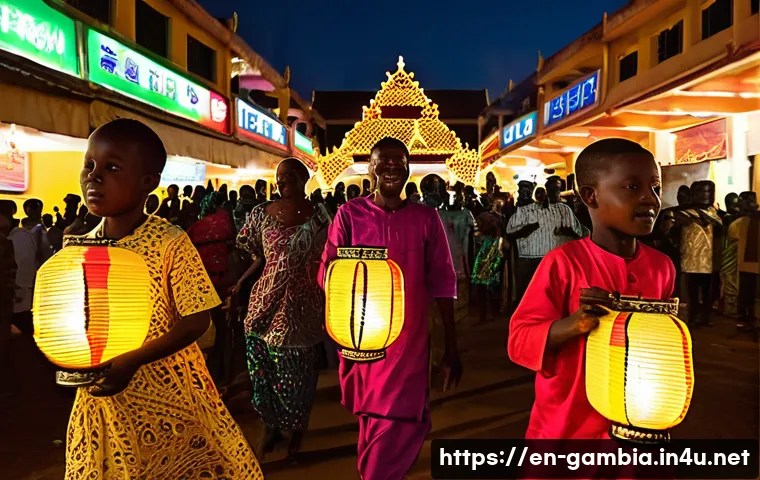
Imagine walking through the streets during the festive Christmas and New Year period, and suddenly, you’re greeted by enormous, illuminated lanterns, often shaped like boats, houses, or even animals, moving through the crowd.
This is the magic of the Fanal parades, a truly unique Gambian tradition, particularly vibrant in areas like Banjul, Bakau, and Serrekunda. These elaborate creations, constructed from bamboo and covered with beautifully decorated paper, are either wheeled along or carried by groups of people, accompanied by exuberant music and joyous followers.
The origins of the Fanal are fascinating, dating back centuries, believed to have been introduced by Mulatos from Saint Louis, Senegal, who brought the tradition of illuminated processions to midnight mass.
There’s a wonderful communal aspect to it, as groups visit houses, collecting donations that eventually fund a massive celebratory party. It’s not just a visual spectacle; it’s a living testament to cross-cultural exchange and historical roots, showcasing a blend of influences that make Gambian culture so incredibly rich.
Witnessing these parades, with their incredible craftsmanship and infectious energy, made me feel like I was part of a living history, a truly special holiday experience.
More Than Just Lights: Community and Craftsmanship
What really strikes you about the Fanal parades is not just the spectacle of the lights and the music, but the immense community effort and artistry that goes into creating these lanterns.
Each Fanal is a labor of love, a testament to local craftsmanship and collective pride. I’ve often seen groups meticulously working on their creations for weeks, a process that brings people together and strengthens community bonds.
The designs can be incredibly intricate, reflecting local folklore, historical events, or even contemporary themes, all while maintaining that timeless, traditional feel.
When these illuminated floats are paraded through the streets, accompanied by drumming and dancing, there’s an undeniable sense of shared heritage and celebration.
It’s a fantastic example of how traditional arts are kept alive and vibrant in The Gambia, offering not just entertainment, but a powerful sense of cultural continuity.
The Fanal tradition, though some have worried about its decline, is actively being revived and promoted through festivals, ensuring that this dazzling display of light and community spirit continues to enchant future generations.
The Heartbeat of the Capital: Banjul Cultural Festival
A Melting Pot of Traditions
The Banjul Cultural Festival, held annually from late December into early January, is truly a spectacular display of the diverse cultural tapestry that makes up The Gambia’s capital city.
Banjul, being a vibrant melting pot of various ethnicities, comes alive during this period as different groups vie to showcase their unique masquerades and performance traditions.
I’ve always found it fascinating to see how the city transforms, with streets bursting with color, sound, and movement. The festival is a long-standing tradition, tracing its roots back to the 1950s, when it began as a regatta.
Over the years, it has evolved into a major cultural event, highlighting everything from traditional drumming and dancing to art and craft exhibitions.
You can literally spend days just wandering, absorbing the different rhythms and visual stories being told. It’s a powerful reminder of how Gambian communities, while retaining their unique identities, come together in joyous harmony.
Interactive Experiences and Local Flavors
Beyond the parades and performances, the Banjul Cultural Festival offers a wonderfully interactive experience. For me, trying the local cuisine from the numerous food and drink vendors is always a highlight.
Imagine savoring grilled fish, traditional Benachin (jollof rice), or a refreshing Bissap (hibiscus tea) while watching dancers swirl by! There are also opportunities to visit local art galleries, appreciating the works of Gambian artists, and engage with craftsmen at their stalls.
For families, it’s a goldmine of activities, with masquerade parades where children can participate, traditional games like Wali and Ludo, and hands-on art and craft workshops for beadwork or batik.
I remember seeing kids utterly mesmerized by the Kankurang and Doundounba dances, eagerly trying to mimic the moves. This festival isn’t just for passive viewing; it encourages full immersion, making you feel less like a tourist and more like a cherished guest in a grand family celebration.
It’s an essential experience to truly grasp the spirit of Gambian hospitality and the deep cultural pride of Banjul’s residents.
The Global Connection: International Kunta Kinteh Festival
Tracing Historical Footprints
The International Kunta Kinteh Festival is another powerful, biannual event that resonates deeply, especially for those interested in the historical connections between The Gambia and the African diaspora.
This festival, often held in May, celebrates the legacy of Kunta Kinteh, a historical figure brought to global attention by Alex Haley’s iconic novel “Roots.” It’s a poignant journey that highlights the historical significance of places like Kunta Kinteh Island (formerly James Island) and the legacy of the transatlantic slave trade.
Participants, many of whom are descendants of enslaved Africans, undertake a symbolic journey back to their ancestral roots, fostering a profound sense of connection and understanding.
I’ve heard countless moving stories from attendees about how visiting these sites and participating in the ceremonies has been a truly transformative experience, helping them to fill in gaps in their personal histories and connect with a heritage that was forcibly taken from them.
It’s a powerful testament to resilience and the enduring human spirit.
Cultural Exchange and Heritage Preservation
What I find particularly impactful about the International Kunta Kinteh Festival is its dual focus: not just on commemorating the past, but also on celebrating the vibrant present and future of African culture.
The festival brings together people from all over the world for a week-long celebration that includes cultural performances, traditional music, and dance, along with educational workshops and historical reenactments.
There’s a beautiful exchange of ideas and traditions, with opportunities to learn about African history, engage in futampaf (Jola traditional initiation rituals), and explore contemporary African arts.
It’s a dynamic platform for cultural exchange and understanding, breaking down barriers and fostering a global community united by a shared appreciation for African heritage.
The festival organizers work tirelessly to preserve and promote this invaluable heritage, making it an incredibly rich and meaningful event for anyone seeking a deeper connection to African history and culture.
If you’re planning a trip, checking the biennial schedule for this one is a must, as it truly offers an unparalleled journey of discovery and reconnection.
Wrapping Up Our Gambian Festival Journey
As we’ve journeyed through the pulsating rhythms and vibrant colors of The Gambia’s festivals, I hope you’ve felt a sliver of the magic I’ve been so fortunate to experience firsthand. It’s truly something special to witness a culture that celebrates its past, present, and future with such unbridled passion and communal joy. From the ancient, spiritual presence of the Kankurang to the deeply moving ancestral connections fostered by the International Roots Festival, and the sheer delight of local ceremonies, these events are more than just spectacles; they are the very heartbeat of a nation. They offer an unparalleled window into the soul of a people, their incredible resilience, unwavering hospitality, and a profound sense of identity. If there’s one thing I’ve learned, it’s that experiencing a Gambian festival isn’t just a trip; it’s an unforgettable embrace of humanity that resonates long after you’ve left its sun-drenched shores.
Handy Tips for Your Gambian Festival Adventure
1. Timing is Everything: While many festivals have typical timings, dates can sometimes shift based on lunar calendars or local arrangements. Always check official Gambian tourism sites or reach out to local tour operators well in advance of your trip for the most up-to-date schedule. This will help you plan your itinerary to catch the specific events you’re most eager to see!
2. Embrace Local Culture: Gambian culture is rich and welcoming, but showing respect goes a long way. Dress modestly, especially when attending religious or traditional ceremonies. Always ask permission before taking photos of individuals, especially during private events like naming ceremonies. A friendly “Salam alaikum” (peace be upon you) will open many doors and hearts.
3. Stay Hydrated and Protected: The Gambian sun can be intense, particularly during festival days when you’ll be out and about. Carry plenty of water, wear a hat, and use high-SPF sunscreen. Mosquito repellent is also a must, especially during evenings, to protect against bites.
4. Cash is King: While larger hotels and some shops in tourist areas might accept cards, many local vendors, especially at festival stalls or in smaller villages, operate strictly on cash. Having Gambian Dalasi (GMD) on hand will make your transactions smoother and more convenient, avoiding any awkward moments when trying to buy a vibrant piece of local art or a delicious street food snack.
5. Engage and Connect: Don’t be shy! Gambians are renowned for their warmth and hospitality. Striking up conversations, asking questions about their traditions, and even trying a few words of Mandinka or Wolof (like “Akwaaba” for welcome) can truly enhance your experience. These are the moments that transform a trip into a treasure trove of memories and genuine human connection.
Key Takeaways from The Smiling Coast’s Celebrations
My journey through The Gambia’s festival landscape has truly underscored the profound depth and vibrancy of its culture. What stands out most is the incredible authenticity – these aren’t curated performances for tourists, but living, breathing traditions that are integral to the community’s identity and passed down through generations. From the awe-inspiring spiritual guardianship of the Kankurang, a UNESCO recognized treasure embodying Mandinka heritage, to the deeply emotional homecoming experience of the International Roots Festival, each event weaves a unique narrative of history, heritage, and resilience. The intimate joy of local naming ceremonies and weddings, alongside the bountiful celebrations of harvest festivals like Bureng, showcase the everyday warmth and communal spirit that defines Gambian life. And let’s not forget the dazzling Fanal Parades, illuminating the festive season with incredible craftsmanship and shared merriment, or the Banjul Cultural Festival, a true melting pot of artistic expression. Each festival, in its own distinct way, offers a genuine connection to Gambian history, artistry, and the indomitable spirit of its people, leaving you with memories that truly last a lifetime. Trust me, these are experiences you won’t soon forget, forging bonds that transcend language and borders.
Frequently Asked Questions (FAQ) 📖
Q: What kind of festivals can I expect to experience in The Gambia?
A: This is where The Gambia truly shines, my friends! From what I’ve seen and felt myself, you’re not just getting a few events; you’re stepping into a vibrant tapestry woven with centuries of history and bubbling with contemporary energy.
Imagine traditional ceremonies like the colorful Fanal Festival, where elaborate lanterns parade through the streets, or ancient masquerades featuring awe-inspiring Kankurang figures that represent age-old spiritual beliefs.
Then, you have lively harvest celebrations, often filled with drumming circles that just make your soul want to dance, and storytelling sessions that transport you back generations.
But it’s not all about the past! You’ll also find modern music festivals and cultural events that blend traditional rhythms with contemporary sounds, reflecting the youthful spirit and evolving identity of the nation.
It’s this incredible mix, from the deeply sacred to the joyously communal, that makes attending a Gambian festival such an incredibly rich and diverse experience.
Trust me, there’s always something captivating to discover, a new rhythm to fall into, a new story to hear.
Q: Why are these festivals so important to the Gambian people?
A: Oh, this is such a crucial question, and it really gets to the heart of what makes The Gambia so special! From my perspective, having witnessed the sheer passion and dedication, these festivals are so much more than just a party.
They are the living pulse of the nation, the very glue that holds communities together. Think of them as vibrant classrooms where traditions, values, and history are passed down directly from elders to the younger generation, ensuring that their rich heritage never fades.
They’re also powerful community rituals, strengthening bonds, resolving differences, and reaffirming a shared identity. When you see families preparing for days, dressing in their finest, and then coming together with such joyous abandon, you realize these aren’t just events on a calendar; they’re moments of profound connection and collective memory-making.
It’s a powerful demonstration of resilience, pride, and the deep love they have for their roots, and honestly, it’s incredibly moving to be a part of.
Q: What makes experiencing a Gambian festival truly unique compared to other cultural events?
A: That’s an excellent point! What truly sets Gambian festivals apart, in my honest opinion, is the unparalleled level of immersion and authentic connection you feel.
Unlike some highly commercialized events elsewhere, here, you’re not just a spectator; you’re often swept right into the heart of the celebration. The warmth and openness of the Gambian people mean you’ll find yourself invited to dance, to share a meal, or to simply sit and listen to stories, often feeling more like an honored guest than a tourist.
The raw energy, the genuine smiles, the spontaneous bursts of music and dance – it all creates an atmosphere of pure, unadulterated joy that’s incredibly contagious.
I’ve personally found that these aren’t just spectacles to observe; they’re opportunities to forge real human connections, to learn directly from the people themselves, and to carry home not just souvenirs, but truly transformative memories.
It’s an experience that broadens your horizons in a way few other travel moments can, leaving you with a deep appreciation for their culture and an unforgettable sense of wonder.