You know, there’s something incredibly captivating about healing wisdom that has been passed down through generations, rooted deeply in the earth itself.
I’ve always been fascinated by how different cultures connect with nature for wellness, and Gambian herbal medicine is a truly remarkable example of this.
It’s not just about remedies; it’s a vibrant tapestry woven into the very fabric of Gambian life, where incredible plants hold secrets that people have relied on for centuries.
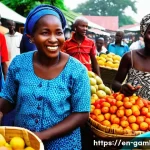
From the bustling markets of Banjul to the serene rural villages, you’ll find a profound appreciation for traditional healing, often as the first line of defense for everyday ailments.
What truly intrigues me is how this ancient knowledge, rich in biodiversity and indigenous practices, is now sparking conversations in our modern world.
We’re seeing a growing global interest in natural health solutions, and traditional systems like The Gambia’s are poised to play a significant role, presenting both exciting opportunities for well-being and crucial discussions around sustainability and validation for the future.
It’s a dynamic intersection where age-old wisdom meets contemporary curiosity. Let’s delve deeper and uncover the fascinating world of Gambian herbal medicine!
Gambian traditional medicine is deeply ingrained in the country’s culture, with many people relying on it as their primary healthcare. Traditional remedies are often the first choice for ailments, and older Gambians, particularly community elders, possess extensive knowledge of using plants and herbs for health.
The country boasts a rich biodiversity, and traditional healers, often called “marabouts,” have utilized plants and herbs for centuries. This age-old wisdom is passed down through generations, often within families, ensuring its continuation.
Modern medicine is sometimes used in conjunction with traditional practices, but many visit Western clinics only after traditional remedies have proven insufficient.
Unearthing Nature’s Hidden Dispensary
The Vibrant Ecosystem of Healing Plants
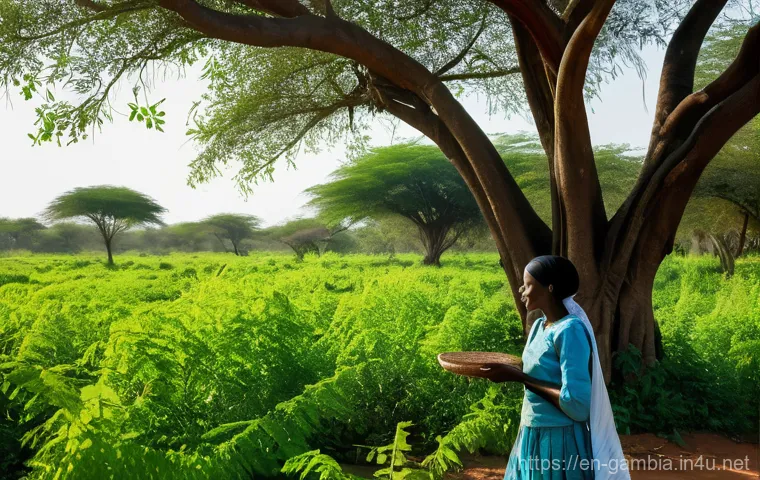
When I think about The Gambia, my mind instantly conjures images of vibrant greenery, and it’s no wonder – the landscape itself is a living pharmacy. What truly fascinates me is the sheer diversity of plants that are not just part of the scenery, but integral to the well-being of its people.
I’ve always believed that nature holds immense power, and in The Gambia, this belief is brought to life through its medicinal flora. From the familiar “Miracle Tree,” Moringa, whose leaves are a nutritional powerhouse, to the lesser-known but equally vital Kinkeliba, consumed as a tea for liver health, these plants are more than just botanical specimens; they are cornerstones of traditional healing.
It’s a testament to the ingenuity and deep observational skills of generations who have meticulously identified, cultivated, and understood the therapeutic properties of each plant.
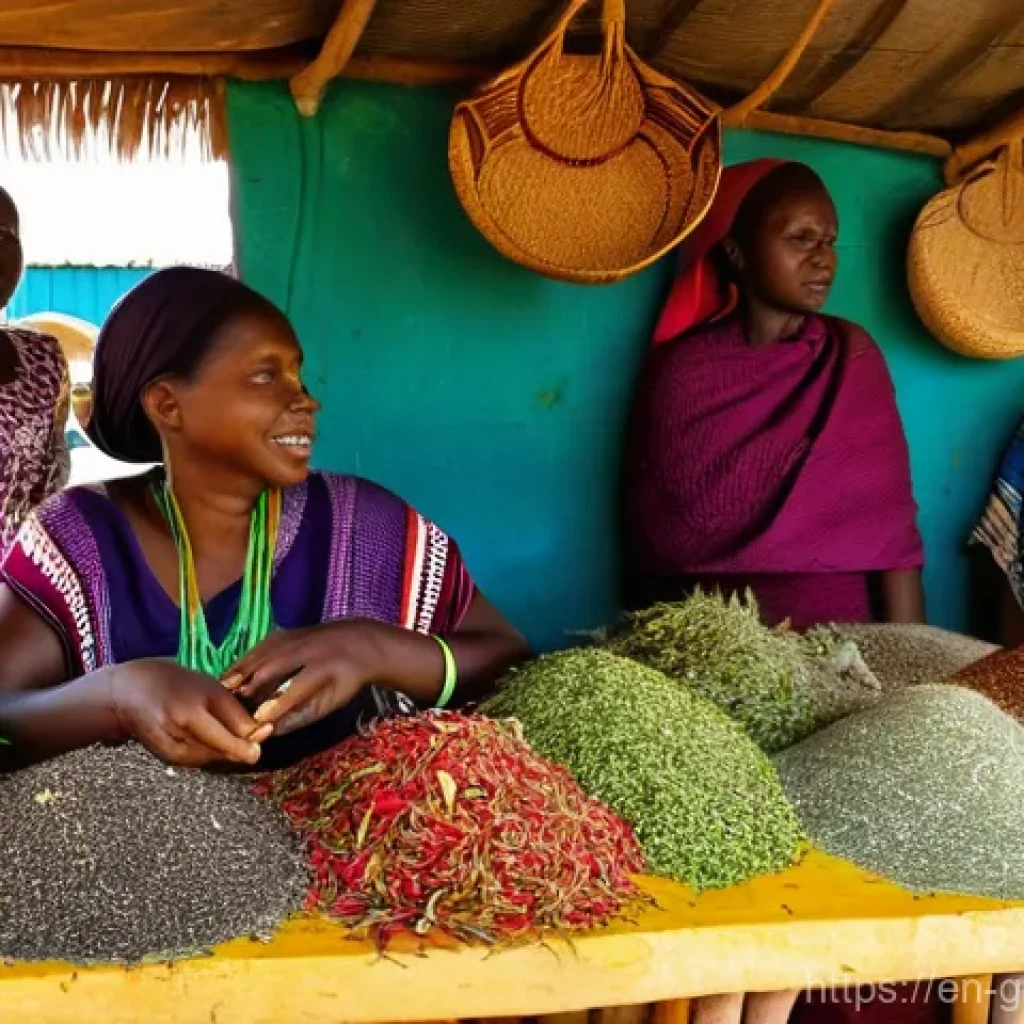
You can even find some of these plant products available in local pharmacies, a wonderful sign of their recognized value. I remember walking through a market in Serrekunda once, and the sheer variety of dried herbs and roots on display was astounding, each with its own story and healing promise.
It really made me appreciate how accessible natural remedies are there, a stark contrast to how we often source specialized ingredients in Western cultures.
Ancient Wisdom in Modern Application
What really strikes me about this system is how practical it is. People don’t just use these plants for serious illnesses; they integrate them into their daily lives for general well-being and common complaints.
Think about a simple cold or a stomach ache – many Gambians would instinctively reach for a traditional remedy first. This proactive approach to health, using what the earth provides, is something I find incredibly admirable.
It’s not about quick fixes, but about a holistic connection to the environment. I’ve often seen how a strong brew of herbal tea, perhaps made with Jambakatang or Kinkeliba leaves, can offer relief for a nasal block or a common cold.
It’s a soothing ritual that goes beyond just the physical effect of the herbs; there’s a comfort in tradition, in knowing that this is how your ancestors found relief, too.
This deep-rooted connection to natural healing has cultivated a profound respect for the plants themselves, and a shared understanding within communities about their uses.
It makes you wonder, doesn’t it, about the potential we’re missing out on by not exploring our own local botanicals with the same reverence?
The Green Guardians: Key Plants and Their Ancient Secrets
Moringa, Neem, and Bitter Kola: Nature’s Powerhouses
When we talk about Gambian herbal medicine, certain plants come up again and again, almost like superstars in this natural pharmacy. For me, Moringa, often lovingly called the “Miracle Tree,” truly stands out.
I’ve personally experienced the benefits of Moringa here at home, but hearing how deeply it’s woven into daily life in The Gambia, used for everything from malnutrition to respiratory issues, truly puts its power into perspective.
Its leaves, rich in iron, are even turned into a soup believed to combat malaria during the rainy season. Then there’s Neem, another incredible tree whose bark, leaves, seeds, and oil are all tapped for their medicinal properties.
I’ve read about its strong antibacterial and antiviral qualities, making it a go-to for skin conditions like eczema, and even for alleviating malaria symptoms.
It’s mind-boggling to think that such a versatile healing agent grows so abundantly. And let’s not forget Bitter Kola, whose seeds are chewed for coughs and throat infections, and which is also valued for its antimicrobial properties and ability to boost immune function.
It’s a real eye-opener to see how readily these profound natural remedies are integrated into everyday life, offering accessible solutions that have been trusted for generations.
Beyond the Well-Known: Exploring Other Remedies
But the story doesn’t end with the famous few. The depth of Gambian traditional medicine is vast, and there are countless other plants with specific, cherished uses.
I’ve been fascinated to learn about plants like *Cassia tora*, locally known as “Jambanduro,” where leaf concoctions are used as an antidote for poison and to normalize cholesterol levels.
Or *Khaya senegalensis*, the African mahogany, whose bark is employed for its healing properties. It’s not just the plants themselves, but the knowledge of how to prepare them – whether as infusions, poultices, or teas – that truly constitutes the expertise passed down.
I’ve seen snippets of information about *Hobi* or *Kassala* being used for a wide array of conditions, from eye infections to menstrual disorders. It feels like every plant, every bush, every root in The Gambia holds a potential secret for wellness, just waiting for the right person with the right knowledge to unlock it.
This comprehensive reliance on the natural environment for health is a powerful reminder of how interconnected we are with our surroundings.
Bridging Worlds: How Traditional Wisdom Meets Modern Wellness
The Complementary Nature of Healing Approaches
It’s easy to look at traditional medicine and Western medicine as opposing forces, but what I’ve observed and learned about The Gambia is far more nuanced and, frankly, quite inspiring.
The reality on the ground is that these two systems often coexist, and in many instances, complement each other. While traditional remedies are frequently the first line of defense for Gambians, it’s not uncommon for people to seek Western medical attention if their initial efforts with traditional methods aren’t sufficient.
This isn’t a dismissal of one over the other; it’s a pragmatic approach to health, utilizing all available resources. I’ve heard countless anecdotes about “marabouts” (healers with spiritual powers) successfully treating conditions where Western doctors might have struggled.
It really makes you think about what we define as “healing” and how different cultural lenses can broaden our understanding. For me, the beauty lies in this ability to draw from both wells of knowledge, creating a more comprehensive safety net for the community.
Challenges and Opportunities in Integration
However, integrating these systems isn’t without its hurdles. I’ve noticed a degree of skepticism from some Western-trained medical professionals who worry about delays in treatment or potential adverse effects from certain herbal concoctions.
But on the flip side, there’s a growing recognition, even from institutions like the World Health Organization, of the critical role traditional medicines can play, especially in developing countries where access to modern healthcare is limited.
What gives me immense hope is seeing initiatives aimed at formalizing aspects of traditional medicine. The Gambia, for instance, has legislative texts governing traditional medicine, and there’s even a licensing process for traditional health practitioners.
This kind of official recognition and integration, where traditional healers are even involved in primary healthcare programs, is a massive step forward.
It’s about moving towards a future where the efficacy and safety of traditional practices are better understood and where these invaluable local knowledge systems are preserved and studied, rather than dismissed.
| Plant Name | Traditional Use(s) | Key Benefit(s) |
|---|---|---|
| Moringa (*Moringa oleifera*) | Malaria, malnutrition, respiratory disorders, digestive issues | Rich in nutrients, anti-inflammatory, antioxidant, antimicrobial |
| Neem (*Azadirachta indica*) | Skin conditions (eczema, acne), malaria, fever | Antibacterial, antiviral, anti-fungal, anti-parasitic |
| Bitter Kola (*Garcinia kola*) | Coughs, throat infections, bacterial/viral infections | Antimicrobial, antioxidant, immune support |
| Kinkeliba (*Combretum micranthum*) | Liver health, digestive issues (bloating, constipation) | Liver-protective properties, rich in antioxidants |
| Lippia species (Gambian Bush Tea) | Coughs, colds, flu symptoms, skin diseases (eczema) | Antifungal, antimicrobial, insecticidal, antioxidant |
More Than Just Medicine: The Cultural Heartbeat of Healing
The Social Fabric of Traditional Healing
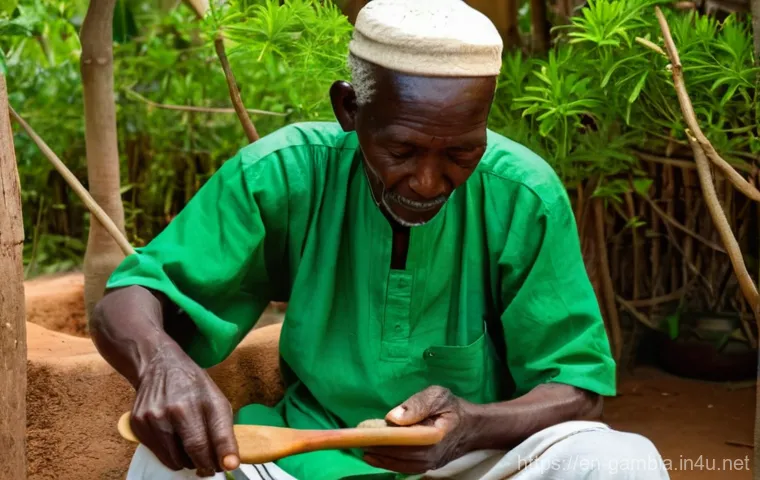
What often gets overlooked when we talk about traditional medicine is just how deeply it’s embedded in the social and cultural fabric of a place. In The Gambia, traditional healing isn’t just about ingesting a remedy; it’s a whole experience, often involving community elders, family knowledge, and a strong sense of shared heritage.
I’ve come to understand that health isn’t just about the absence of disease here; it’s about a balance, a connection to one’s community and environment.
Traditional healers, or marabouts, are often highly respected figures in their villages, viewed as trusted sources of care and knowledge. Their accessibility, both in terms of physical proximity and their community-friendly charging systems, makes them a vital part of everyday life, especially in rural areas where Western clinics might be distant or costly.
This cultural acceptance means that people feel comfortable and understood, often receiving not just physical treatment but also counseling and emotional support – aspects that modern medicine sometimes struggles to provide effectively.
Preserving a Priceless Legacy for Future Generations
The continuation of this knowledge is something truly remarkable. I’ve learned that the title of traditional healer can often stay within a family for generations, passed from parent to child, ensuring that this invaluable wisdom isn’t lost.
This oral tradition, combined with practical, hands-on learning, forms a living archive of healing practices. It’s not just rote memorization; it’s an understanding steeped in experience and observation.
However, this legacy faces contemporary challenges. The rapid population growth in The Gambia has led to increased deforestation, meaning precious healing plants are sometimes lost to agriculture.
This environmental pressure, combined with the need to ensure consistency and safety in remedies, highlights a crucial balancing act. For me, supporting initiatives that aim to both document this traditional knowledge and promote sustainable harvesting of medicinal plants is absolutely vital.
It’s about protecting not just individual remedies, but an entire way of life, a profound connection to the earth that offers so much to learn from.
Navigating the Path: Practical Tips for Exploring Herbal Remedies
Understanding the Power and Potential
Diving into the world of herbal medicine, especially from a culture different from your own, is an exciting journey, but it’s one that requires respect and a good deal of common sense.
Having personally delved into various natural health practices, I always emphasize the importance of understanding that natural doesn’t automatically mean harmless.
Many traditional Gambian remedies are incredibly potent, and their effectiveness is often rooted in complex phytochemical compounds, much like modern pharmaceuticals.
For someone like me, who appreciates both scientific rigor and ancient wisdom, it’s about recognizing the power these plants hold. It’s genuinely thrilling to consider how a plant like *Lippia adoensis*, used in Gambian Bush tea for flu symptoms, has scientifically recognized antifungal and antimicrobial properties.
This isn’t just folklore; it’s a profound understanding of natural chemistry developed over centuries. My biggest piece of advice? Approach with an open mind, but always with a healthy dose of caution and a commitment to learning.
Seeking Knowledge and Safe Practices
If you’re intrigued by these traditional remedies, and honestly, who wouldn’t be after hearing about them, it’s crucial to seek out reliable information.
While a blog post like this can open your eyes to possibilities, it’s no substitute for direct experience or consultation with knowledgeable individuals.
In The Gambia, older community members and traditional healers are the true repositories of this wisdom. I’ve found that engaging with local herbalists, if you ever have the chance to visit, can be an incredibly enlightening experience – though they may not always reveal all their family secrets!
Always remember the fundamental principle that even powerful natural remedies should be used judiciously. Just as you wouldn’t self-prescribe a pharmaceutical, the same respect should be extended to potent herbs.
If you’re considering integrating any new herbal practices into your wellness routine, especially if you have existing health conditions or are on other medications, please, always consult with a qualified healthcare professional.
They can offer guidance to ensure you’re making safe and informed choices, blending the best of both traditional wisdom and modern understanding for your well-being.
Sustainable Futures: Preserving a Priceless Legacy
The Urgency of Conservation and Respect
As much as I adore sharing these incredible stories of natural healing, there’s an underlying concern that I always carry: the sustainability of these practices and the very plants they rely on.
It’s a sad truth that even in places rich with biodiversity like The Gambia, traditional medicinal plants are vulnerable. I’ve learned that factors like population growth and the expansion of agriculture can lead to deforestation and the loss of critical natural habitats.
This isn’t just about losing a pretty plant; it’s about losing a living library of knowledge, remedies that have sustained communities for countless generations.
For me, this underscores an urgent need for concerted efforts in conservation. It’s not enough to simply appreciate these traditions; we have to actively work to protect the ecosystems that nurture them.
Thinking about how many people rely on these plants as their first, and sometimes only, source of healing truly brings home the importance of this work.
Empowering Communities for a Balanced Tomorrow
The future of Gambian herbal medicine, and indeed many traditional healing systems globally, lies in empowering the communities that practice it. It’s about recognizing the immense value of their indigenous knowledge and supporting them in ways that ensure both health and environmental longevity.
I’ve seen some promising signs, like discussions about integrating traditional medicine more formally into national health systems. This kind of dialogue is essential because it brings traditional healers to the table, acknowledging their expertise and giving them a voice in their own future.
Imagine a world where traditional healers and modern medical professionals collaborate, sharing insights and working together for the greater good. It’s not a far-fetched dream!
Efforts to ensure the safety and standardization of traditional medicines, as discussed by the Gambian government, are also vital for building trust and ensuring that these practices can continue to thrive responsibly.
For me, it’s about fostering a balance – allowing ancient wisdom to evolve safely while being protected and valued in our increasingly modern world.
Wrapping Up Our Journey
As we bring our exploration of Gambian traditional medicine to a close, I hope you’ve felt as inspired as I have by the profound wisdom embedded in these ancient practices. It’s truly incredible to witness how deeply connected people are to their natural environment, and how this connection translates into powerful healing traditions. This journey has reinforced my belief that there’s so much to learn when we open ourselves to different perspectives on health and well-being. It’s a testament to human ingenuity and the enduring power of nature, reminding us to cherish both the knowledge and the ecosystems that provide it.
Useful Insights for Your Wellness Journey
1. Embrace Nature’s Pharmacy Mindfully: While the allure of natural remedies is strong, and rightly so, remember that potency comes with responsibility. Just as we wouldn’t casually experiment with modern pharmaceuticals, a similar reverence is due for powerful herbal concoctions. My personal rule of thumb has always been to approach new natural remedies with curiosity, but also with a healthy dose of research and, ideally, guidance from someone knowledgeable. Whether it’s a local herbalist or a healthcare professional open to integrated approaches, understanding dosage, potential interactions, and preparation methods is paramount. It’s not about fear, but about respect for the profound chemistry that nature has perfected over millennia. Don’t be afraid to ask questions, even if you’re not in The Gambia. There are likely resources in your own community that can help you navigate the world of ethnobotanical healing safely.
2. Seek Out Authentic Knowledge: If you ever find yourself drawn to exploring traditional healing systems, be it Gambian or any other, prioritize learning from authentic sources. This often means connecting with community elders, experienced healers, or reputable cultural institutions. I’ve found that the richest insights don’t come from quick internet searches alone, but from personal stories and time-honored traditions passed down through generations. These individuals carry a wealth of experiential knowledge that no textbook can fully replicate. It’s like trying to understand a complex recipe just by reading it versus actually cooking with a seasoned chef; the nuances are in the doing and the living. This deep dive not only ensures accuracy but also fosters a much richer appreciation for the cultural context of these practices.
3. Consider the “Holistic” Perspective: One of the most striking lessons I’ve taken from studying traditional healing, particularly in The Gambia, is its truly holistic nature. It’s rarely just about treating a symptom; it’s about addressing the whole person – their environment, their spiritual well-being, their community ties. This contrasts sharply with many Western approaches that tend to compartmentalize ailments. When you’re thinking about your own health, try to adopt a broader lens. How does your diet impact your mood? Does your stress level affect your digestion? Often, traditional remedies are part of a larger lifestyle that promotes overall balance. It’s a powerful reminder that true wellness is an intricate tapestry, not just a collection of isolated threads.
4. Support Sustainable Practices: The continued availability of medicinal plants is intrinsically linked to environmental conservation. As enthusiasts of natural health, we have a role to play in advocating for sustainable harvesting and protection of biodiversity. Whether it’s choosing ethically sourced products, supporting conservation organizations, or simply being more mindful of our own ecological footprint, every action contributes. I often think about the future generations in The Gambia who rely on these plants; it’s our shared responsibility to ensure these natural pharmacies remain vibrant and accessible. Protecting these ecosystems means preserving not just plants, but an entire legacy of healing wisdom for the world.
5. Dialogue is Key for Integration: The evolving relationship between traditional and modern medicine is a fascinating one, and its success hinges on open dialogue and mutual respect. For those in healthcare or policy, fostering environments where traditional healers and modern practitioners can communicate and even collaborate is vital. This doesn’t mean abandoning scientific rigor, but rather exploring how traditional knowledge can inform new research, identify potential new therapies, and provide culturally sensitive care. For the rest of us, it means being open-minded about both approaches, recognizing that each has its strengths and can offer valuable contributions to global health. It’s about building bridges, not walls, between different ways of knowing and healing.
Key Takeaways from Our Journey
Our deep dive into Gambian traditional medicine has truly illuminated some universal truths about health and our connection to the natural world. First and foremost, it underscored the incredible efficacy and accessibility of plant-based remedies that have been honed over centuries, often serving as the primary healthcare for communities. We also saw how this ancient wisdom isn’t isolated but often coexists and even complements modern medical approaches, showcasing a pragmatic synergy. Crucially, the journey highlighted that traditional healing is more than just medicine; it’s a vital part of a community’s cultural identity, passed down through generations, and deeply intertwined with respect for the environment. Finally, it’s a powerful call to action for us all: to appreciate, learn from, and actively support the preservation of these invaluable natural resources and the profound knowledge they represent, ensuring their legacy thrives for a healthier, more connected future.
Frequently Asked Questions (FAQ) 📖
Q: What truly sets Gambian herbal medicine apart from other traditional healing systems, and why is it so integral to daily life there?
A: You know, what I’ve personally found so captivating about Gambian herbal medicine is just how deeply it’s woven into the very fabric of daily life, almost like another language people speak.
It’s not just about a specific remedy for an ailment; it’s a whole philosophy, a way of interacting with the natural world that has been meticulously passed down, mother to daughter, father to son, for generations.
While many cultures have traditional medicine, in The Gambia, there’s an undeniable, palpable reverence for the earth and its gifts. It’s often the first line of defense for everything from a common cold to more persistent issues.
I’ve observed firsthand how this isn’t just a niche practice; it’s a living, breathing tradition, a communal effort where elders hold a treasure trove of knowledge about which leaves, barks, or roots can bring comfort and healing.
It truly amazes me to see that deep, intuitive connection people have with their local flora, understanding its cycles and potencies. It’s this profound, everyday reliance and respect for nature’s pharmacy that truly makes it unique and so central to the Gambian experience, a cornerstone of their well-being.
Q: With modern science constantly evolving, how does Gambian traditional healing approach effectiveness and safety, especially for those of us used to Western medical standards?
A: That’s a fantastic question, and one I’ve pondered quite a bit myself as I’ve explored various healing traditions! From my perspective, Gambian traditional healing relies heavily on empirical observation and a long history of successful outcomes within the community.
It’s less about clinical trials in the Western sense and more about collective experience and shared knowledge over centuries. People trust these remedies because they’ve seen their families and neighbors benefit from them time and time again.
Safety, from this traditional viewpoint, often comes from that very long history of use and the meticulous training of healers who understand dosage and preparation.
I’ve heard countless stories where traditional healers work in tandem with the community, observing reactions and adjusting treatments, which is their form of ‘data collection’.
What’s really encouraging, though, is seeing a growing dialogue between traditional healers and modern medical practitioners in The Gambia. It’s not always an ‘either/or’ situation; sometimes, traditional remedies are used to complement Western treatments, fostering a holistic approach.
It reminds us that wisdom can come in many forms, and sometimes, those ancient methods hold powerful secrets waiting to be understood by contemporary science.
It’s a beautiful intersection where two worlds can respectfully meet and learn from each other.
Q: For someone like me who’s genuinely curious, what’s the best way to respectfully learn about or even experience Gambian herbal medicine without inadvertently causing harm or disrespecting its traditions?
A: If you’re anything like me, your curiosity is probably buzzing! And I totally get wanting to learn respectfully. My biggest piece of advice, based on my own explorations, is to always approach with genuine humility and a deep respect for local customs.
The absolute best way to learn is by seeking out and engaging with community elders or recognized traditional healers directly, if possible. They are the custodians of this invaluable knowledge.
Avoid simply purchasing things from unknown sources online or through unofficial channels, as quality and ethical sourcing can be a huge issue. Instead, look for initiatives or organizations that work directly with Gambian communities to preserve and share this wisdom responsibly.
When you’re there, listen more than you speak, observe keenly, and always ask permission before taking photos or making assumptions. Understanding the cultural context – the ceremonies, the stories, the community involvement – is just as important as knowing the plants themselves.
And please, please, be mindful of sustainability! We want these incredible traditions and the biodiversity that supports them to thrive for generations to come, so supporting ethical and sustainable practices is paramount.
It’s a journey of discovery that’s incredibly rewarding when approached with an open heart and a respectful mind.