Hey there, language explorers and culture enthusiasts! If you’ve ever thought about visiting The Gambia, that vibrant West African gem, you might wonder what to expect when it comes to communication.
From my travels and conversations, it’s truly fascinating to see how a nation beautifully navigates its linguistic landscape. English holds its ground as the official language, a legacy of its colonial past, and you’ll find it widely used in official settings and education, but step beyond that, and you’ll uncover a rich tapestry of local languages that truly make the country tick.
It’s this incredible blend of global and indigenous that creates such a unique vibe. Curious to dive deeper into how English thrives alongside Mandinka, Wolof, and other fascinating languages, shaping everyday life, education, and even business in The Gambia?
Let’s uncover the full story.
The Enduring Echo of English: A Colonial Legacy in Modern Gambia
Stepping into The Gambia, you’ll quickly discover that English isn’t just an official language; it’s a foundational thread woven into the very fabric of the nation’s public life. Having been a British protectorate, the lingering influence of English is undeniable, especially when you navigate its formal structures. I remember landing at Banjul International Airport for the first time, and the signs, the customs officers, even the airport announcements were all in clear, understandable English. It immediately put me at ease, a comforting familiarity in an otherwise vibrantly new environment. This isn’t just about officialdom; it’s about accessibility. Imagine needing to conduct business, understand legal documents, or simply read a public notice – English serves as that universal key across the diverse linguistic landscape. It truly acts as a unifier in a country boasting a multitude of indigenous tongues, ensuring that communication at a national level remains coherent and accessible to those with formal education. It’s a remarkable balance, seeing how this global language coexists and supports the rich local heritage, preventing any single local language from dominating the others in official capacities, which, in my experience, fosters a sense of equity among different ethnic groups.
Where English Truly Shines: Official Spheres and Beyond
From the bustling corridors of government ministries to the solemn halls of justice, English absolutely shines. Every piece of legislation, every official communiqué, and every legal proceeding is conducted in English, making it the bedrock of national governance. This ensures consistency and transparency, allowing both citizens and international partners to engage with the Gambian state. Beyond the purely official, you’ll find English prevalent in media too. The major newspapers, television news broadcasts, and even many radio programs are in English, serving as vital sources of information and public discourse. I often found myself picking up a copy of ‘The Point’ or ‘Foroyaa’ to catch up on local news, appreciating the ease with which I could delve into current events. It’s a crucial aspect for anyone, local or visitor, wanting to stay informed and connected to the wider Gambian narrative. The ability to access this information without a language barrier significantly enriches the experience of understanding the country’s pulse.
The Lingua Franca of Formal Education
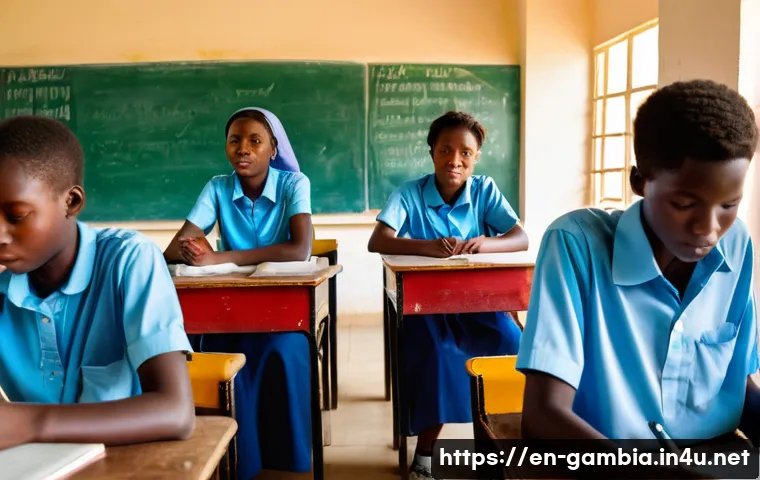
If you’re wondering how the next generation in The Gambia connects with global knowledge and opportunities, look no further than the classroom. English is firmly established as the primary language of instruction from primary school right through to university. This strategic choice opens up a world of learning, allowing students to access textbooks, research, and online resources from across the globe. I’ve had conversations with young Gambians who are incredibly articulate in English, eager to discuss everything from global politics to scientific advancements, a direct testament to the quality of their English-medium education. It’s not just about academics; it’s about preparing them for a globally connected future. This consistent exposure shapes their cognitive development and provides them with a critical skill set that transcends national borders, proving invaluable whether they pursue higher education abroad or seek employment in international organizations within The Gambia itself. This educational foundation is truly a cornerstone for their personal and professional growth.
Beyond the Official Tongue: A Symphony of Indigenous Voices
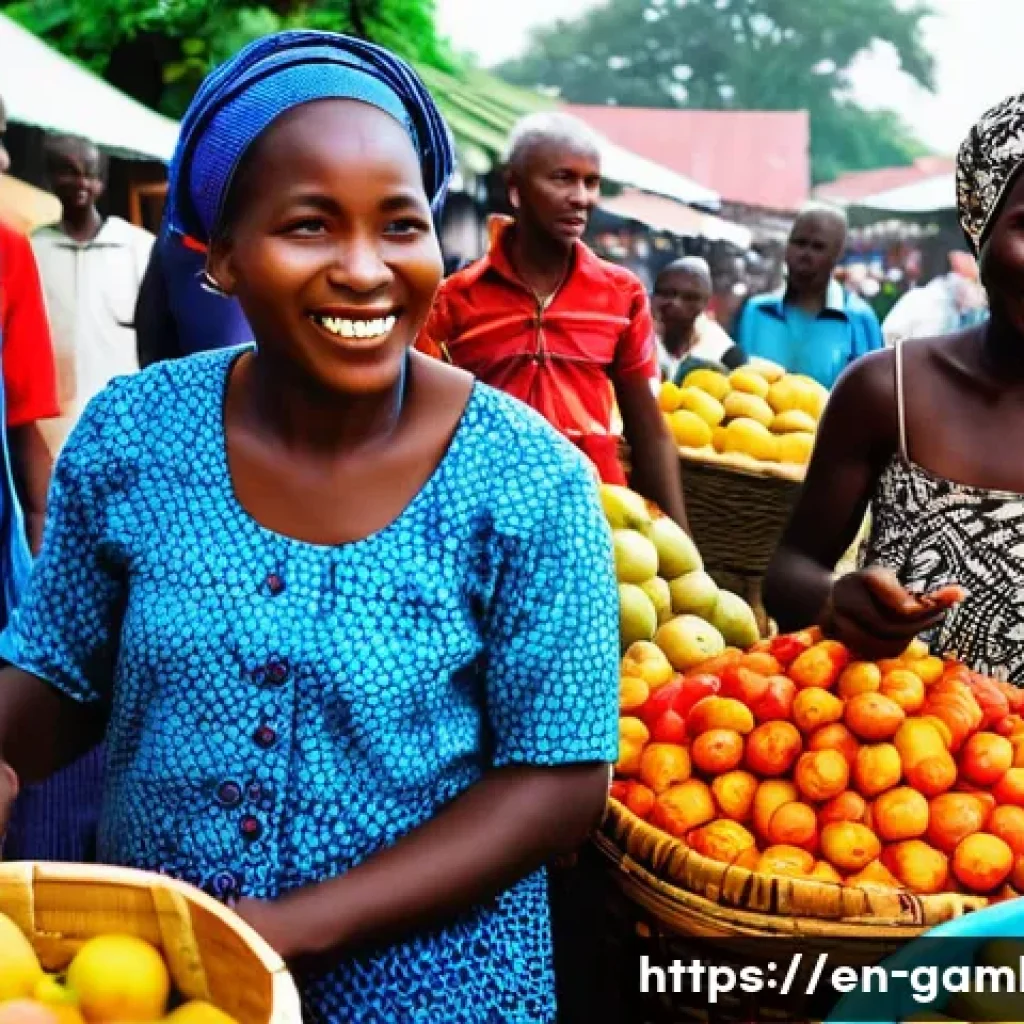
While English holds its vital place, to truly experience the heart and soul of The Gambia, you absolutely must embrace its indigenous languages. This is where the country’s vibrant culture truly comes alive! Step out of the official buildings and into the bustling markets, the vibrant neighborhoods, or a casual gathering of friends, and you’ll hear a rich symphony of sounds. It’s like the air itself is humming with stories and laughter in languages that have been spoken for centuries. I remember a particularly vivid experience haggling for some beautiful batik fabric in Bakau market. My initial attempts at English were met with polite but somewhat distant replies. However, when I managed to string together a simple “Kafoo?” (How are you?) in Mandinka, the vendor’s face lit up with a huge smile. Suddenly, the entire transaction transformed. We shared a laugh, and I felt an immediate connection that English simply couldn’t foster. This isn’t just about language; it’s about respect, connection, and a deep appreciation for cultural identity. These languages are the lifeblood of communities, carrying traditions, histories, and shared experiences from one generation to the next, proving that true communication often goes beyond mere words.
Mandinka: The Heartbeat of Gambian Communication
Among the many indigenous languages, Mandinka stands out as the most widely spoken, often referred to as the heartbeat of Gambian communication. It’s the language you’ll hear dominating conversations across much of the country, particularly in rural areas and among the largest ethnic group. Learning a few basic Mandinka phrases, even just “I be jon?” (What’s your name?) or “Mbañ??” (How much?), will unlock countless doors to genuine interactions. I found that even my clumsy attempts were met with incredible warmth and encouragement. People genuinely appreciate the effort, and it instantly bridges gaps, transforming a transactional encounter into a human connection. It truly allowed me to delve deeper into local life, from sharing meals with families to understanding the nuanced humor of everyday banter. This immersion isn’t just about speaking; it’s about listening, observing, and feeling the rhythm of a culture that thrives on its ancestral tongue. The expressions, the proverbs, and the way stories are told in Mandinka offer insights into a worldview that is unique and profound, something you simply cannot grasp through English alone.
Wolof and Fula: Dominant Sounds in the Melting Pot
Beyond Mandinka, Wolof and Fula are also incredibly dominant languages, each with its own significant cultural footprint. Wolof is particularly prevalent in and around the capital city, Banjul, and other urban centers, largely due to its strong presence in neighboring Senegal. If you spend time in the bustling streets of Serrekunda, you’ll hear Wolof echoing from shops, taxis, and lively street conversations. It’s a dynamic language, full of energy and often spoken with a rapid, engaging rhythm. Fula, on the other hand, is widely spoken by the Fula ethnic group, who are traditionally pastoralists and are found across different regions of The Gambia and West Africa. I always found it fascinating to hear the distinct sounds of Fula, particularly in more rural settings where communities are closely knit. Both Wolof and Fula contribute immensely to The Gambia’s rich linguistic tapestry, offering different windows into the diverse communities that call this nation home. Understanding their prevalence helps you anticipate where you might hear which language and gives you a deeper appreciation for the nuanced social dynamics at play. Each language carries with it a unique history and cultural identity, adding layers of complexity and beauty to the Gambian experience.
A Mosaic of Minor Languages
What truly amazes me about The Gambia’s linguistic landscape isn’t just the prevalence of a few major languages, but the sheer number of smaller, yet equally significant, indigenous tongues. This country is a genuine mosaic of communication, with languages like Jola, Serer, Serahule, Manjago, and many others, each contributing to the nation’s rich cultural heritage. While you might not hear them as frequently as Mandinka or Wolof in larger urban areas, these languages are the lifeblood of specific communities, often spoken in villages and by specific ethnic groups who proudly maintain their linguistic traditions. I’ve had the privilege of witnessing the profound sense of identity and community that these languages foster. Imagine sitting with elders in a remote village, listening to stories told in a language that has been passed down for countless generations – it’s an incredibly powerful and humbling experience. These languages are not just means of communication; they are vessels of history, custodians of oral traditions, and vital links to ancestral roots. They remind us that true diversity isn’t just about the big players, but about cherishing every single thread in the magnificent tapestry. This linguistic richness is a treasure that ensures the unique cultural nuances of each group are preserved and celebrated within the larger Gambian identity, making it a truly fascinating place for any language enthusiast.
Navigating Daily Life: When to Speak English and When to Embrace Local Dialects
Knowing when to switch between English and a local language in The Gambia is an art form, really, and it’s something I learned through a mix of observation, trial, and delightful error. It’s not about strict rules, but rather understanding the social context and the subtle cues people give. In formal settings, or when you’re interacting with someone in a professional capacity, English is almost always the safe and expected choice. Think government offices, banks, or tourist information centers. But step into a local market, a bustling compound, or engage in casual street conversation, and the dynamic shifts entirely. That’s when dipping into a local dialect, even with just a few polite phrases, can completely transform your interaction. It’s about showing respect, an acknowledgment that you’re willing to meet people where they are, linguistically and culturally. This flexibility isn’t just convenient; it’s a bridge to deeper understanding and more authentic connections. I found that my efforts, no matter how clumsy, were always met with genuine appreciation and often a warm smile, which truly made me feel more at home and connected to the wonderful people I met. It’s a beautiful dance between practicality and cultural sensitivity that makes communication in The Gambia so uniquely engaging and rewarding for anyone open to the experience.
Markets and Social Gatherings: The Beauty of Local Connection
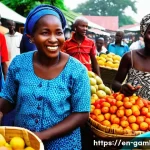
If you truly want to immerse yourself in Gambian life, head straight to the markets and social gatherings, and prepare to hear a wonderful cacophony of local languages. This is where Mandinka, Wolof, and Fula truly reign supreme. While many vendors and locals will have a basic grasp of English, especially in tourist-heavy areas, initiating a conversation in their mother tongue, even a simple “Salaam alaikum” (peace be upon you) or “Jerejef” (thank you in Wolof), can open doors to incredibly rich interactions. I remember trying to buy some fresh mangoes once, and after a slightly awkward English exchange, I switched to my broken Mandinka for “Kafoo?” and the vendor’s entire demeanor softened. We ended up chatting, or rather, I tried my best to understand, and she shared stories about her family and the best way to eat the mangoes. It wasn’t just a transaction anymore; it was a connection. These are the moments when you truly feel the warmth and hospitality of the Gambian people. Using a local phrase signals respect and a genuine interest in their culture, often leading to better prices, friendlier service, and unforgettable shared laughter. It’s a small effort with huge rewards, truly transforming your experience from that of a mere observer to an engaged participant in the vibrant everyday life of the Smiling Coast. The joy of these connections is truly unparalleled.
Tourists and Travelers: Finding Common Ground
For tourists and travelers, finding common linguistic ground in The Gambia is actually quite straightforward, thanks to English being the official language. In hotels, restaurants catering to international visitors, and most tour operators, you’ll find English spoken fluently and readily. This provides a comfortable baseline for navigating your trip without constant language barriers, which is definitely a huge relief for many first-time visitors. However, if you venture off the beaten path, into smaller villages or less tourist-centric areas, the reliance on English diminishes, and that’s precisely where the magic of local languages comes into play. I’ve found that even a handful of polite greetings and basic phrases in Mandinka or Wolof can make an enormous difference. It’s not just about getting by; it’s about showing deference and a willingness to engage with the local culture on their terms. This effort is invariably met with appreciation, often leading to more authentic experiences, impromptu invitations, and a deeper appreciation for Gambian hospitality. It transforms potentially awkward encounters into memorable cultural exchanges, demonstrating that while English serves as a practical bridge, embracing local dialects builds a more profound, personal connection. Ultimately, the best approach is a flexible one, leveraging English for convenience while eagerly embracing opportunities to learn and use local expressions to enrich your journey.
Education and Opportunity: The Power of English in Gambian Classrooms and Careers
The role of English in The Gambia’s educational system and its subsequent impact on career opportunities cannot be overstated; it truly acts as a powerful catalyst for individual and national development. From the earliest grades, children are introduced to English, and by the time they reach secondary school, it’s the primary medium for almost all subjects. This strategic emphasis isn’t arbitrary; it’s a deliberate effort to equip Gambian youth with a language that unlocks a world of knowledge and professional pathways. I’ve seen firsthand how proficient English speakers are able to access a wider array of educational materials, from online courses to specialized textbooks, something that would be significantly harder if education were solely in local languages. This early exposure and consistent reinforcement foster a generation that is not only multilingual but also globally competitive. It’s a remarkable testament to the foresight of the educational planners, ensuring that their students are not limited by linguistic barriers when pursuing their academic and vocational dreams. The confidence and articulacy with which many young Gambians express themselves in English is truly inspiring, a clear indicator of the value and success of this educational approach in shaping their futures and empowering them on a global stage.
Gateways to Higher Learning
For ambitious Gambian students, English serves as the undeniable gateway to higher learning, both within the country and abroad. The University of The Gambia, along with other tertiary institutions, conducts all its programs in English. This means that students who excel in English are well-positioned to pursue advanced degrees in a multitude of fields, from medicine and law to engineering and humanities. Furthermore, for those dreaming of studying overseas, particularly in English-speaking countries like the UK, USA, or Canada, a strong command of English is absolutely essential. It’s not just about passing entrance exams; it’s about being able to fully engage with academic material, participate in discussions, and thrive in an international learning environment. I’ve met students who have leveraged their English skills to secure scholarships and opportunities that have genuinely transformed their lives, bringing back valuable knowledge and skills to their communities. This linguistic proficiency truly democratizes access to global educational resources, ensuring that bright minds in The Gambia can contribute to cutting-edge research and innovation, thereby elevating the nation’s intellectual capital. It’s a vital bridge connecting local talent to global academia, fostering a future generation of leaders and experts.
English as a Skill for Economic Advancement
Beyond academia, English proficiency is a critical skill for economic advancement in The Gambia. In the burgeoning tourism sector, for example, excellent English communication is paramount for hotel staff, tour guides, and resort managers. Tourists, largely from English-speaking countries, expect to be able to communicate easily, and those with strong English skills are highly sought after. Similarly, in the business and corporate world, English is the default language for international trade, negotiations, and communication with foreign partners. Professionals in banking, international NGOs, telecommunications, and even local businesses aiming for wider reach find their English skills to be a significant asset, opening doors to better job prospects and higher earning potential. I’ve spoken with countless entrepreneurs and professionals who credit their English fluency with their ability to connect with international clients, expand their networks, and ultimately grow their ventures. It’s a tangible, marketable skill that directly translates into improved livelihoods and contributes to the overall economic development of the nation. This linguistic advantage not only empowers individuals but also strengthens The Gambia’s position in the global economy, making it an attractive hub for international investment and collaboration, truly a win-win for everyone involved in its economic growth.
Bridging Worlds: How Language Influences Business and Tourism
In the vibrant tapestry of The Gambia, language plays an absolutely pivotal role in weaving together the threads of business and tourism, connecting local enterprises with global markets and welcoming visitors from every corner of the earth. For any business looking beyond its immediate borders, English is the essential lingua franca, a common ground where deals are struck, partnerships are forged, and international communication flows smoothly. Imagine trying to negotiate an export agreement for Gambian agricultural products or discussing investment opportunities with foreign stakeholders without a shared language – it would be an insurmountable hurdle. This is where English steps in, serving as a universal translator that facilitates economic growth and integration into the global economy. I’ve observed firsthand how local entrepreneurs, particularly those in areas like handicrafts, real estate, or tech startups, leverage their English skills to market their products online, attract international clients, and participate in global trade fairs. It’s not just about selling; it’s about building trust and understanding across cultural divides. This linguistic bridge ensures that The Gambia isn’t isolated but actively participates in the global marketplace, fostering a dynamic environment where local innovation can reach a worldwide audience and foreign investment can find fertile ground, truly making it a central pillar for prosperity and connectivity for everyone involved in the nation’s economic progress.
Global Business and English’s Role
In the globalized world we live in, English is undoubtedly the language of international commerce, and The Gambia is no exception. For businesses striving to engage with foreign investors, establish export channels, or even just source international goods, English fluency is non-negotiable. It allows Gambian companies to participate in global supply chains, understand international regulations, and effectively communicate their value proposition to a worldwide audience. I’ve met business owners who tirelessly honed their English skills, knowing that this proficiency was their ticket to bigger markets and more lucrative opportunities. They understand that a clear, professional exchange in English can make the difference between securing a major contract and missing out. This isn’t just about reading emails; it’s about presenting proposals, negotiating terms, and building lasting relationships with international partners. The ability to articulate complex ideas and nuances in English gives Gambian businesses a competitive edge, fostering confidence and credibility on the international stage. It truly levels the playing field, allowing local talent and products to compete with the best in the world, proving that language is far more than just words; it’s a powerful tool for economic empowerment and global connectivity.
Attracting Tourists with English Comfort
For The Gambia’s thriving tourism industry, English is an absolute cornerstone, acting as a welcoming beacon for countless visitors from around the globe. Imagine arriving in a new country, perhaps a little disoriented, and being able to communicate effortlessly with hotel staff, taxi drivers, and tour guides. This immediate sense of linguistic comfort is a huge draw for tourists, particularly those from English-speaking nations, making their experience smoother, more enjoyable, and less stressful. Most hotels, lodges, and tourist attractions ensure their staff are proficient in English, understanding that this directly impacts visitor satisfaction and repeat business. I’ve heard so many travelers express their relief and appreciation for the ease of communication, which allows them to fully immerse themselves in the beauty of the Smiling Coast without constant language worries. It means they can confidently book excursions, ask questions about local culture, and simply enjoy the interactions. This linguistic accessibility not only enhances the individual tourist’s journey but also boosts The Gambia’s reputation as a friendly and accessible destination, encouraging more visitors to explore its stunning beaches, vibrant culture, and incredible wildlife. It truly transforms a foreign land into a welcoming home away from home, cementing English as an indispensable asset for the nation’s tourism success and continued growth.
| English Phrase | Mandinka (Common) | Wolof (Common) | Fula (Pulaar) (Common) |
|---|---|---|---|
| Hello | _Asalaamu alaikum_ | _Salam alaikum_ | _On njaaraama_ |
| How are you? | _Kairabaa?_ | _Na nga def?_ | _A jaraama?_ |
| Thank you | _Abarka_ | _Jerejef_ | _A jaaraama_ |
| Yes | _Hoo_ | _Waw_ | _Ey_ |
| No | _Hani_ | _Deedeet_ | _Aa’aa_ |
| Please | _Jaraama_ (used with thank you) | _Suñu borom laj_ | _Joom_ |
| Good morning | _I sumpung_ | _Jamm nga fanan?_ | _A subahi?_ |
Local Entrepreneurship and Multilingualism
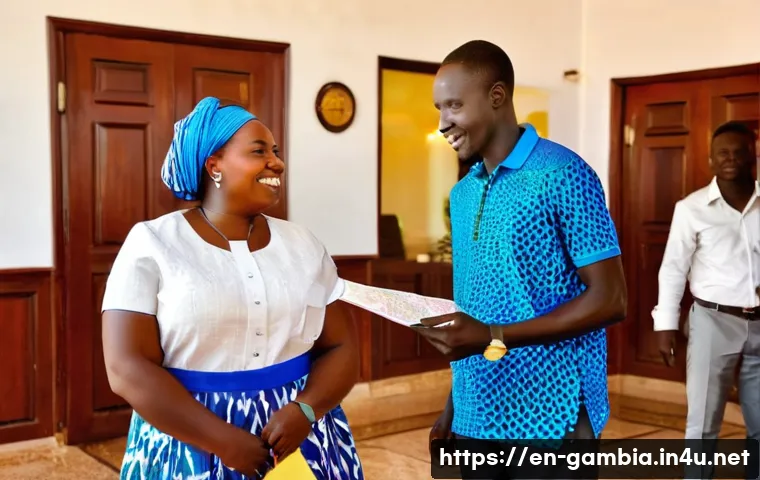
While English provides the global bridge for business, it’s the beautiful intertwining of English and local languages that truly fuels local entrepreneurship in The Gambia. Many small business owners, market vendors, and service providers navigate a multilingual landscape daily, effortlessly switching between languages depending on their clientele. A vendor in Bakau, for instance, might greet a local customer in Wolof, discuss prices in Mandinka, and then smoothly transition to English for a tourist looking for souvenirs. This linguistic agility isn’t just impressive; it’s a vital business skill that allows them to connect with the broadest possible range of customers. I’ve seen how this ability to code-switch fosters trust and rapport, making customers feel understood and valued, whether they are a local neighbor or an international visitor. It’s a powerful testament to the resourcefulness and adaptability of Gambian entrepreneurs, who master this linguistic dance to maximize their reach and profitability. This multilingual approach isn’t a hindrance; it’s a profound asset that strengthens local economies by ensuring that no potential customer is excluded due to a language barrier, creating a more inclusive and dynamic marketplace for everyone involved in this vibrant economic ecosystem.
The Evolution of Gambian Communication: A Look Towards the Future
As the world continues to shrink through technology and increasing global interconnectedness, The Gambia’s linguistic landscape isn’t static; it’s constantly evolving, gracefully adapting to new influences while striving to preserve its rich heritage. It’s a fascinating balance to observe, this push and pull between the practical demands of a globalized world and the deep-seated desire to maintain cultural identity through language. I often ponder how the younger generation, growing up with smartphones and social media, interacts with this linguistic duality. They are, in many ways, at the forefront of this evolution, effortlessly blending English with local idioms in their conversations, their texts, and their online interactions. This organic adaptation demonstrates a resilience and vibrancy that is truly inspiring. The future of Gambian communication isn’t about one language overpowering the others; it’s about a dynamic coexistence, where English continues to serve as a vital link to the outside world, while the indigenous languages remain the soul of local communities. It’s a testament to the Gambian spirit, always finding a way to bridge different worlds, to learn, to adapt, and to grow, while holding firm to the unique cultural roots that make the Smiling Coast so special. This ongoing linguistic journey is definitely something to keep an eye on, as it truly reflects the nation’s broader path forward.
Preserving Linguistic Heritage
Amidst the growing global influence of English, there’s a strong, heartfelt commitment within The Gambia to preserve its invaluable linguistic heritage. Many community leaders, educators, and cultural organizations are actively working to ensure that the indigenous languages – Mandinka, Wolof, Fula, and all the others – continue to thrive and be passed down to future generations. This isn’t just about academic study; it’s about celebrating identity, maintaining oral traditions, and ensuring that the stories, proverbs, and wisdom embedded in these languages don’t fade away. I’ve witnessed passionate elders teaching children traditional songs and folktales in their native tongues, reinforcing the importance of their linguistic roots. There are also efforts in local broadcasting and literature to promote and sustain these languages, creating content that resonates with cultural nuances. This dedicated preservation is crucial, as language is so intrinsically linked to culture, history, and a sense of belonging. It ensures that while Gambians are globally literate in English, they remain deeply rooted in their unique cultural identities, fostering a generation that is proud of its heritage while being adept at navigating the modern world. It’s a beautiful and vital endeavor that safeguards the very essence of what it means to be Gambian, a testament to their enduring cultural pride.
The Youth and Language Trends
The youth in The Gambia are truly the harbingers of future language trends, and it’s fascinating to observe their dynamic approach to communication. Growing up in a digital age, they often seamlessly code-switch between English and local languages, sometimes within the same sentence, creating a vibrant and uniquely Gambian linguistic style. Social media platforms, text messages, and online interactions frequently showcase this fluid blend. While English provides access to global trends and online communities, local languages remain essential for connecting with family, friends, and their immediate social circles. I’ve noticed that while English is crucial for academic and professional advancement, the local languages carry the emotional weight and cultural intimacy that pure English often cannot. This isn’t a sign of degradation; rather, it’s an evolution, a natural adaptation to a complex, interconnected world. The youth are demonstrating a pragmatic multilingualism, where each language serves a specific, valued purpose in their lives. They are not losing their heritage; they are actively shaping how it coexists with global influences, creating a modern Gambian identity that is both deeply rooted and globally aware. This generation’s linguistic choices will undoubtedly define the future of communication in the Smiling Coast, ensuring a vibrant and adaptable linguistic landscape for decades to come, reflecting their own unique journey in a fast-changing world.
Personal Reflections: My Linguistic Adventures in the Smiling Coast
Looking back at my time in The Gambia, my linguistic journey has been one of the most enriching aspects of the entire experience. It’s not just about the words themselves, but about what those words unlock: genuine connections, shared laughter, and a deeper understanding of a truly remarkable culture. Before I arrived, I had this idea that English would suffice for everything, given its official status. And while it certainly covered the basics, it was only when I started fumbling through Mandinka phrases that the real magic began. I remember moments of complete comedic misunderstanding that would end in shared belly laughs with market vendors, and times when a simple “Abarka” (thank you) in Mandinka would soften a negotiation or warm a quick chat. These weren’t just linguistic exchanges; they were human connections that transcended cultural boundaries, making me feel less like a visitor and more like a cherished guest. The Gambian people are incredibly patient and encouraging with language learners, a quality that made all my clumsy attempts feel less daunting and more like an exciting adventure. My linguistic missteps often led to the most memorable and heartfelt interactions, proving that sometimes, the journey of trying is far more valuable than perfect fluency. It’s an experience I wouldn’t trade for anything, a constant reminder of the power of language to unite us all, one phrase at a time.
Moments of Misunderstanding and Pure Joy
Oh, the stories I could tell about my linguistic mishaps! There was one time I confidently tried to order “fish and chips” in a small local eatery, but my pronunciation was so off that I ended up with what seemed to be “fresh juice and peanuts.” We all had a good laugh, and the kind woman behind the counter eventually figured out what I was trying to say. These moments, while initially a little embarrassing, always ended in pure joy and often led to friendlier, more memorable interactions. I learned quickly that a sense of humor and a willingness to laugh at myself were my best language tools. Beyond the humor, there were countless moments of pure joy when I successfully communicated a complex idea, understood a rapid-fire conversation, or simply shared a heartfelt greeting in a local dialect. These were the little victories that made all the effort worthwhile. It’s in these exchanges that you truly feel a bond forming, realizing that you’re not just speaking words, but connecting with another human being on a deeper, more personal level. These experiences are indelibly etched in my memory, serving as beautiful reminders of the incredible power of language to bridge gaps and create unforgettable moments of shared humanity, something I cherish deeply from my time in the Smiling Coast, making me truly appreciate every single interaction I had with the wonderfully patient and kind Gambian people, creating memories that will last a lifetime and encouraging me to always try to speak the local tongue wherever I travel.
My Top Tips for Language Learners in The Gambia
If you’re heading to The Gambia and keen to dive into its linguistic richness, here are my top tips, gleaned from my own delightful, sometimes hilarious, experiences. First, start with the basics: “Salaam alaikum” (peace be upon you) is a universal greeting that works wonders, and “Abarka” (thank you in Mandinka) or “Jerejef” (thank you in Wolof) will earn you instant smiles. Don’t be afraid to make mistakes – seriously, Gambians are incredibly patient and appreciative of any effort you make. They’ll often correct you with a gentle smile, and that’s how you learn! Second, immerse yourself. Spend time in local markets, strike up conversations with street vendors, and don’t shy away from engaging with children, who are often delighted to practice English and help you with local phrases. Third, consider downloading a basic translation app, but use it sparingly as a backup, not as your primary crutch. The real learning happens in direct, imperfect human interaction. Fourth, listen intently to the rhythms and tones of the languages; they carry a lot of meaning. Finally, embrace the experience with an open heart and a good sense of humor. Learning a new language, especially in a vibrant place like The Gambia, isn’t just about mastering grammar; it’s about connecting with people, understanding a culture from the inside out, and creating unforgettable memories. Trust me, the effort you put in will be rewarded tenfold with genuine warmth and incredible experiences, making your trip truly unique and deeply personal. It’s one of the most rewarding challenges you can undertake while exploring this amazing country.
My Final Thoughts on The Gambia
As my linguistic adventure in The Gambia draws to a close, what truly resonates is the incredible warmth and resilience of its people, and the beautiful tapestry woven by its languages. Beyond the practicalities of communication, engaging with both English and the indigenous tongues has been a profound journey of connection. It’s in those shared smiles after a clumsy Mandinka phrase, or the heartfelt ‘Jerejef’ that you truly feel the spirit of the Smiling Coast. This country isn’t just a destination; it’s an experience that invites you to open your heart, embrace new sounds, and discover the universal language of human kindness. My time here has been a vibrant reminder that understanding goes far beyond words, yet the effort to speak them builds bridges to truly unforgettable moments, leaving an indelible mark on your soul.
Handy Tips for Your Gambian Adventure
1. Start with the local greetings, always! Even if you can only manage a “Salaam alaikum” (peace be upon you), it instantly shows respect and opens doors. Follow it up with a “Kairabaa?” (How are you?) in Mandinka or “Na nga def?” in Wolof, and you’ll find Gambians incredibly receptive and willing to engage. These small efforts make a huge difference in how you’re perceived and can truly enhance your interactions, transforming them from transactional to genuinely personal. It’s like unlocking a secret level of connection with the locals, proving that a little effort goes a very long way in making your visit feel more authentic and welcoming to everyone you meet along the sun-drenched paths of this vibrant nation.
2. Embrace the bustling market scene, not just for shopping but for linguistic immersion! Markets like Serrekunda or Bakau are fantastic places to try out those basic phrases you’ve learned. Vendors, while often English-speaking, truly appreciate the effort in their local tongue. You might even find yourself getting a better price or a more generous portion of fruit simply because you showed an interest in their culture. Don’t be shy; a friendly “Mbañ?” (How much? in Mandinka) with a smile can lead to delightful banter and an authentic slice of Gambian life you won’t find anywhere else, making the experience far richer than a mere transaction and filling your memory with true local charm.
3. Be prepared for bargaining, especially in markets, and always have some local currency (Gambian Dalasi) on hand. While many larger establishments accept cards, cash is king in local interactions. When bargaining, remember it’s a friendly negotiation, not a confrontation. Starting with a local phrase like “Jaraama” (please/thank you, often used in conjunction with a request) and maintaining a cheerful demeanor will go a long way. This isn’t just about saving a few Dalasi; it’s a cultural interaction that builds rapport and is a cherished part of the buying and selling experience in The Gambia, ensuring that your financial interactions are as smooth and culturally respectful as possible during your stay.
4. Patience and a good sense of humor are your best friends when navigating any linguistic misunderstandings. There will be times when your pronunciation is off, or you simply can’t quite grasp what’s being said. Instead of getting frustrated, just smile, laugh, and try again. Gambians are incredibly understanding and patient with visitors making an effort, and often they’ll find your attempts endearing. These moments of shared laughter over a communication mishap often lead to the warmest and most memorable interactions, breaking down barriers and fostering genuine connection, reminding you that the journey of learning and connecting is far more important than perfect fluency when exploring new cultures and making new friends.
5. Dive into the local cuisine and ask for dishes by their local names. While “fish and chips” might be universally understood, trying to order “Domoda” (peanut stew) or “Yassa” (onion sauce with chicken/fish) in Wolof or Mandinka will elevate your dining experience. It not only ensures you get exactly what you want but also shows appreciation for the local culinary heritage. Engaging with food in its cultural context is a fantastic way to deepen your understanding of the country, and the smiles you receive from proud cooks and vendors will make every bite even more delicious, creating a truly authentic and flavorful memory of The Gambia’s rich gastronomic offerings.
Key Takeaways from the Smiling Coast
The Gambia truly offers a unique linguistic landscape where English stands as a crucial official, educational, and international bridge, seamlessly connecting the nation to the global community. However, the heart and soul of daily life pulse vibrantly through its indigenous languages like Mandinka, Wolof, and Fula, which are essential for cultural identity, local commerce, and forging deep, authentic human connections. The interplay between these languages is a testament to The Gambia’s rich heritage and its adaptive, forward-looking spirit. For visitors and residents alike, embracing this multilingualism not only facilitates practical navigation but also unlocks a deeper, more rewarding immersion into the country’s unparalleled warmth and charm, making every interaction a memorable part of its captivating story and your personal journey.
Frequently Asked Questions (FAQ) 📖
Q: So, how much English can I actually expect to hear and use when I’m exploring The Gambia?
A: That’s a fantastic question, and one I get asked a lot! From my own adventures there, you’ll find English is definitely the official language and quite prevalent, especially in the capital, Banjul, and other urban areas.
Think of it this way: official documents, government communications, higher education, and pretty much all business dealings are conducted in English.
If you’re staying in tourist areas, hotels, or dealing with tour guides, you’ll have no problem at all communicating in English. However, once you venture out into the local markets or more rural villages, while many people will understand some English, you’ll quickly notice that the vibrant tapestry of indigenous languages really takes center stage.
It’s a beautiful mix, and honestly, a big part of the charm!
Q: Beyond English, which local languages are most common, and how important is it to know a few phrases?
A: Ah, this is where the linguistic magic of The Gambia truly shines! While English provides a common ground, the heart of daily communication beats in several local languages.
Mandinka is arguably the most widely spoken, especially in the western and central parts of the country. Then you have Wolof, which is very prominent, particularly around the Banjul and coastal areas, and it’s also widely understood due to its prevalence in neighboring Senegal.
Other significant languages include Fula (Fulfulde), Jola, and Serahule, each with its own regional strongholds. From my experience, making the effort to learn even a few basic phrases like “Hello” (e.g., “Salaam alaikum” in Arabic, widely used; “Abaraka” in Mandinka for thanks) can completely transform your interactions.
Locals absolutely light up when you try to speak their language, even if it’s just a greeting. It shows respect and opens doors to incredibly warm and authentic experiences.
It’s not strictly necessary for most tourist interactions, but believe me, it enriches your trip tenfold!
Q: What’s the deal with language in education and business – does English dominate, or do local languages play a significant role there too?
A: This is a really interesting area, and it highlights The Gambia’s unique balancing act between its colonial past and its rich cultural heritage. In the formal education system, English is the primary language of instruction from primary school right up through university.
This means that Gambian students are immersed in English education, which certainly prepares them for global communication and further studies. In the business world, especially in larger companies, international trade, and official government sectors, English is unequivocally the lingua franca.
However, don’t underestimate the power of local languages in daily commerce, particularly in bustling markets and smaller, community-focused businesses.
Many local entrepreneurs will communicate in indigenous languages among themselves and with their local clientele. For anyone looking to truly connect with the local economy or even explore grassroots initiatives, understanding the nuances of how both English and local languages operate side-by-side is key.
It’s a dynamic environment where fluency in either can be a significant advantage, depending on who you’re speaking with and the context.