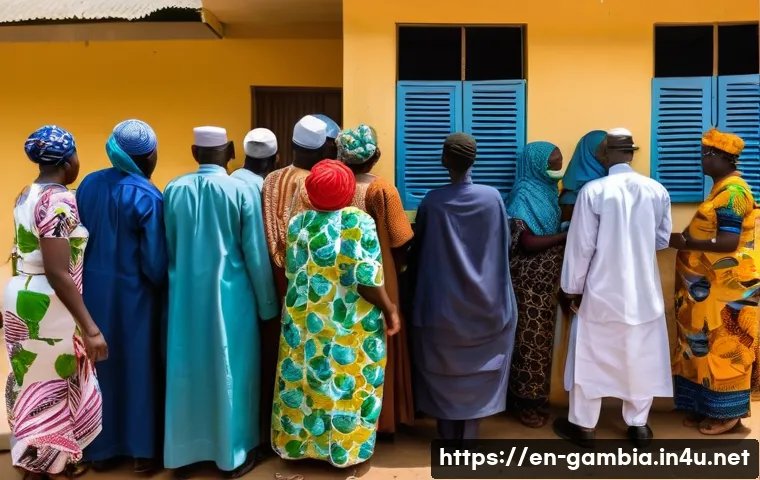
Understanding the election system of The Gambia offers a fascinating glimpse into how this West African nation shapes its democratic process. With a history marked by political transitions and reforms, The Gambia’s electoral framework reflects its commitment to fair representation and citizen participation.
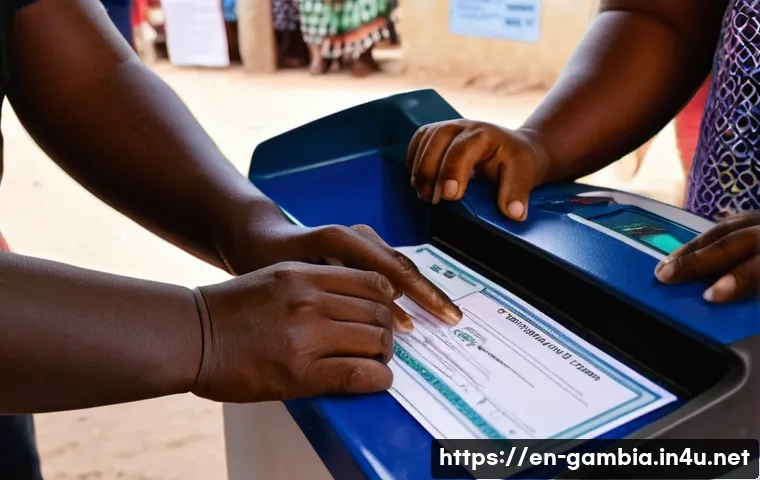
Exploring how votes are cast, counted, and validated reveals much about the country’s political landscape and ongoing efforts toward transparency. Whether you’re interested in international politics or simply curious about different governance models, diving into The Gambia’s election system is both enlightening and timely.
Let’s take a closer look and uncover the details behind the process!
Structure of Voter Eligibility and Registration
Who Can Vote in The Gambia?
Voting rights in The Gambia are granted to citizens who meet specific criteria, primarily being at least 18 years old. This age threshold aligns with many democracies worldwide, reflecting a balance between maturity and civic responsibility.
Besides age, residency within the country is crucial, as only Gambian nationals residing domestically are eligible to cast ballots. This approach ensures that those participating in elections have a direct stake in the country’s governance and policies.
However, Gambians living abroad currently cannot vote, a point often discussed in political circles as the diaspora grows and becomes more engaged in national affairs.
Registration Process and Its Challenges
The registration process requires prospective voters to appear in person at designated registration centers, presenting valid identification documents, typically a national ID card or a birth certificate.
This method aims to maintain the integrity of the electoral roll by minimizing duplicate or fraudulent entries. Yet, logistical hurdles, such as limited access to registration centers in rural areas, sometimes hinder full participation.
In my observation, many citizens express frustration over the time-consuming nature of registration, especially during peak periods when lines grow long.
The government has been working to streamline this through mobile registration units and voter education campaigns, but challenges remain, particularly in reaching remote communities.
Impact of Registration on Election Turnout
Voter registration directly influences turnout, as unregistered eligible voters are excluded from the process. Recent elections in The Gambia have seen fluctuating participation rates, partly tied to how effectively registration drives are conducted.
For instance, during the 2021 elections, proactive registration campaigns coupled with increased political awareness led to higher voter engagement than in previous years.
Still, some skepticism persists about whether the official voter lists fully capture all eligible citizens, especially young people and marginalized groups.
The effectiveness of registration, therefore, is a key factor in how representative and legitimate the election outcomes appear to the public.
Voting Procedures and Ballot Management
How Voting Takes Place on Election Day
On election day, registered voters visit polling stations assigned by their registration location. Polling centers are usually schools, community centers, or government buildings, set up to facilitate smooth flow and maintain privacy.
Voters receive a ballot paper listing candidates or parties, and they mark their choice in secret before depositing the paper into a sealed ballot box.
The entire process is overseen by electoral officers trained to assist voters and ensure compliance with rules. From my experience attending an election in The Gambia, the atmosphere is generally calm but charged with anticipation, reflecting the significance citizens place on their vote.
Counting Votes and Ensuring Accuracy
Once polls close, the counting process begins immediately at each polling station under the watchful eyes of party agents and observers. The transparency of this step is critical to building trust in the results.
Ballots are counted manually, with results recorded on official tally sheets that are then transmitted to regional and national electoral offices. While manual counting can be time-consuming, it allows for direct scrutiny and reduces reliance on electronic systems, which some voters distrust due to concerns about tampering.
I noticed that in some areas, the counting process can take several hours, but patience remains high as communities await the final tallies.
Safeguards Against Electoral Fraud
To prevent fraud, multiple safeguards are in place, including voter identification checks, secure ballot boxes, and the presence of neutral observers both domestic and international.
The Independent Electoral Commission (IEC) also uses biometric verification during registration to reduce impersonation risks. Despite these measures, allegations of irregularities occasionally surface, often linked to political tensions rather than systemic flaws.
From discussions with locals, it’s clear that maintaining election integrity remains a top priority for both officials and voters, with ongoing calls for improvements such as expanded observer access and enhanced transparency in vote tabulation.
Key Political Players and Their Roles in Elections
Main Political Parties and Their Influence
The Gambia’s political landscape is dominated by a handful of major parties, each with distinct platforms and voter bases. The Alliance for Patriotic Reorientation and Construction (APRC), which governed for decades under former President Jammeh, remains influential despite losing power in 2016.
The United Democratic Party (UDP) and the National People’s Party (NPP), formed more recently, have gained traction by appealing to reform-minded voters seeking change.
Understanding these parties’ histories and ideologies helps explain voter behavior and election outcomes. Personally, I found it fascinating how party loyalty intertwines with ethnic and regional identities, adding layers of complexity to electoral dynamics.
Role of the Independent Electoral Commission (IEC)
The IEC is the backbone of The Gambia’s electoral process, tasked with organizing and supervising elections, voter registration, and result announcements.
Its independence is crucial for public confidence, although it has faced criticism at times over perceived partiality or inefficiency. The commission’s efforts to engage civil society and international partners have improved transparency and technical capacity over the years.
In my conversations with election observers, many praised the IEC’s professionalism despite resource constraints, highlighting its role in stabilizing democratic practices in a country with a history of authoritarian rule.
Election Observers and Civil Society Participation
Local and international observers monitor elections to ensure fairness and adherence to legal standards. Civil society organizations also play a vital role in voter education, advocacy, and reporting irregularities.
Their presence helps deter malpractice and encourages voter confidence. During my visits to polling stations, I noticed how observers interact with both officials and voters, providing a visible check on the process.
Moreover, grassroots groups actively mobilize communities to participate, especially young voters, whose engagement is seen as pivotal for The Gambia’s democratic future.
Legal Framework Governing Elections
Constitutional Provisions and Electoral Laws
The Gambian constitution lays the foundation for elections, guaranteeing the right to vote and establishing basic principles of free and fair elections.
Supplementary electoral laws detail the procedures for candidate nominations, campaigning, voting, and dispute resolution. These laws aim to create a level playing field and protect political freedoms.
However, their enforcement can vary, and some critics argue for reforms to address loopholes that occasionally lead to electoral disputes. In my experience, understanding this legal framework is essential for anyone studying Gambian politics, as it shapes the entire electoral environment.
Dispute Resolution Mechanisms
Electoral disputes are resolved through a combination of administrative review by the IEC and judicial processes. Candidates or parties dissatisfied with results can file petitions, which courts examine based on evidence and legal standards.
This system is designed to provide peaceful avenues for addressing grievances, reducing the risk of post-election violence. I recall the 2016 presidential election aftermath, where legal challenges played a significant role in reinforcing the legitimacy of the outcome and facilitating a peaceful transition of power.
Such mechanisms are vital for sustaining democracy in any nation.
Ongoing Reforms and Future Prospects
Reforms continue to be debated and implemented to enhance the electoral system’s credibility. These include proposals to introduce electronic voting, expand diaspora participation, and strengthen voter education programs.
While some of these ideas face logistical and financial hurdles, the general trend is toward modernization and inclusiveness. From what I have gathered, stakeholders from government, civil society, and international partners are committed to making elections more accessible, transparent, and reflective of Gambian citizens’ will in the years ahead.
Comparative Analysis of Election Systems in West Africa
Similarities with Neighboring Countries
The Gambia shares several electoral characteristics with its West African neighbors, such as Ghana and Senegal, including age-based voter eligibility and the use of manual ballot counting.
These commonalities stem from shared colonial legacies and regional democratic norms promoted by organizations like ECOWAS. This regional context provides a useful backdrop for understanding how The Gambia navigates its democratic path, often learning from and contributing to broader West African experiences.
Unique Features of The Gambian System
Despite similarities, The Gambia’s election system has distinctive elements, notably its relatively small population and the centralized role of the IEC.
The country’s compact size allows for more manageable election logistics but also means political developments have outsized impacts on national stability.
Additionally, The Gambia’s recent transition from autocratic rule to democracy has fostered a particularly intense focus on electoral transparency and citizen participation, setting it apart from some neighbors still grappling with more entrenched authoritarianism.
Table: Comparison of Key Election Features in The Gambia and Selected West African Countries
| Feature | The Gambia | Ghana | Senegal |
|---|---|---|---|
| Voting Age | 18 years | 18 years | 18 years |
| Voter Registration Method | Manual with biometric verification | Manual with biometric verification | Manual with biometric verification |
| Election Type | Presidential & Parliamentary | Presidential & Parliamentary | Presidential & Parliamentary |
| Inclusion of Diaspora Voting | No | Limited | No |
| Independent Electoral Commission | Yes, centralized | Yes, decentralized | Yes, centralized |
Role of Media and Technology in Elections
Media Coverage and Voter Influence
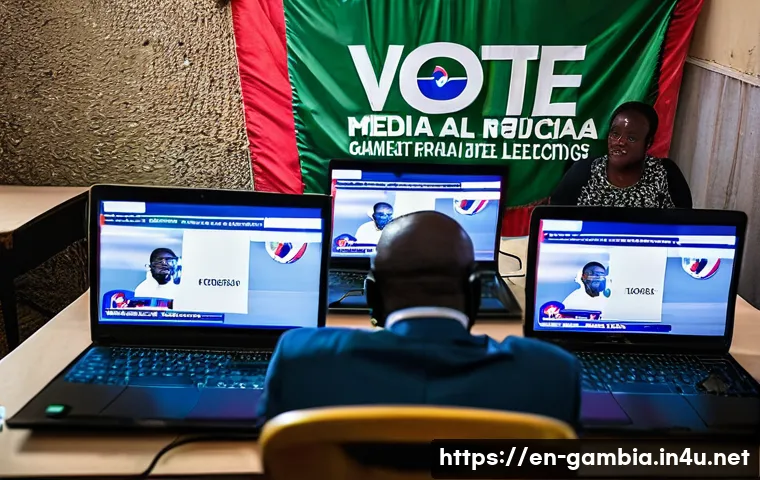
Media outlets in The Gambia play a crucial role in informing voters, providing platforms for debates, and exposing electoral malpractices. Radio remains the most accessible medium, especially in rural areas, while urban populations increasingly rely on television and social media.
I’ve noticed that during election periods, media coverage intensifies, shaping public opinion and sometimes stirring political engagement or tension. The challenge lies in ensuring balanced reporting amid a politically charged environment, where some outlets may lean toward particular parties.
Adoption of Technology in Electoral Processes
Technology’s role is gradually expanding, particularly through biometric voter registration and electronic communication of results. While full electronic voting has not yet been adopted, the use of technology to enhance accuracy and reduce fraud is promising.
From my perspective, these technological advances improve efficiency but require robust safeguards to prevent new vulnerabilities. Training electoral staff and educating voters on technology use are critical to maximizing benefits and maintaining trust.
Social Media’s Growing Impact
Social media platforms have become influential in shaping political discourse and mobilizing voters, especially younger demographics. They provide spaces for campaigns, citizen feedback, and rapid dissemination of information.
However, they also pose risks of misinformation and polarization. I’ve observed that electoral bodies and civil society groups are increasingly active on these platforms to promote credible information and counter fake news, reflecting a dynamic interplay between technology and democratic participation in The Gambia.
Conclusion
The Gambian electoral system reflects a growing commitment to democratic values and citizen participation. While challenges remain, especially in voter registration and ensuring transparency, ongoing reforms and increased civic engagement offer hope for more inclusive and credible elections. Observing these developments firsthand reveals the resilience and optimism of Gambian voters eager to shape their nation’s future.
Useful Information to Know
1. Voter eligibility in The Gambia requires citizenship, residency, and a minimum age of 18, ensuring that voters have a direct stake in national affairs.
2. The registration process is primarily manual, often requiring in-person visits, but mobile units are helping to reach remote areas.
3. Election day procedures prioritize voter privacy and transparency, with manual vote counting closely monitored by observers.
4. Key political players include established parties like the APRC and emerging groups such as the UDP and NPP, reflecting evolving political dynamics.
5. Media and technology increasingly influence elections, with social media playing a pivotal role in engaging younger voters and spreading information.
Key Takeaways
The Gambian electoral framework is built on constitutional guarantees and overseen by an independent commission striving for transparency despite resource limitations. Voter registration and turnout remain crucial challenges, especially in rural and diaspora communities. Electoral integrity is supported by multiple safeguards, yet political tensions occasionally test the system’s resilience. Continuous reforms and active civil society participation are essential for strengthening democracy and fostering greater trust in election outcomes.
Frequently Asked Questions (FAQ) 📖
Q: How does the voting process work in The Gambia’s elections?
A: In The Gambia, voting is conducted through a secret ballot system to ensure voter privacy and fairness. Registered voters receive a ballot paper at their designated polling station where they mark their preferred candidate or party.
The process is overseen by the Independent Electoral Commission (IEC) to maintain transparency and integrity. After voting, ballots are collected and counted publicly at each polling station, with results then transmitted to central tally centers.
From my experience researching this, the emphasis on secret ballots and public counting is crucial in building trust among Gambian voters, especially given the country’s history of political change.
Q: Who is eligible to vote in Gambian elections?
A: To vote in The Gambia, individuals must be Gambian citizens aged 18 or older and registered on the national voter roll. Registration typically involves presenting valid identification and proof of residence.
The IEC conducts regular voter registration drives to ensure that as many eligible citizens as possible can participate. I found that voter education campaigns are also quite active, helping people understand the importance of their vote and how to register, which is vital in encouraging higher turnout and making the democratic process more inclusive.
Q: What measures are in place to ensure election transparency and fairness in The Gambia?
A: The Gambia has taken significant steps to enhance election transparency, primarily through the work of the Independent Electoral Commission, which operates independently from the government.
Measures include the use of accredited domestic and international observers, transparent ballot counting at polling stations, and public access to election results.
Additionally, legal frameworks are in place to address electoral disputes fairly and promptly. From what I’ve gathered, these efforts have markedly improved confidence in the electoral process, although challenges remain, especially in rural areas where logistical issues can affect timely reporting.
Overall, the commitment to transparency is a positive sign of The Gambia’s democratic progress.