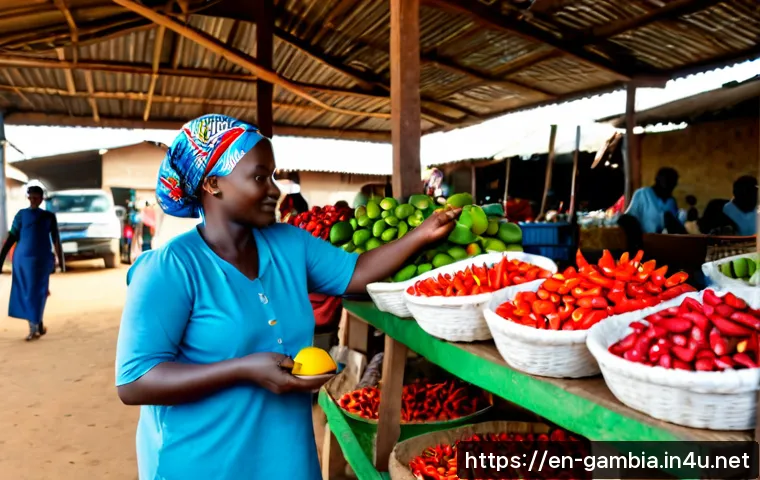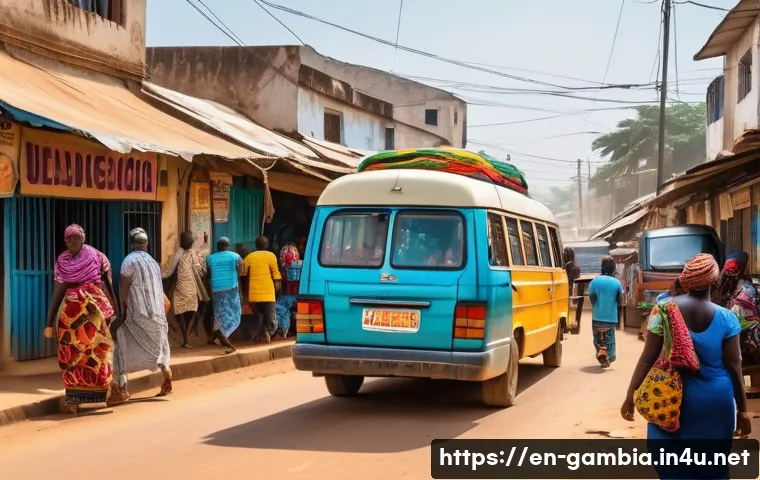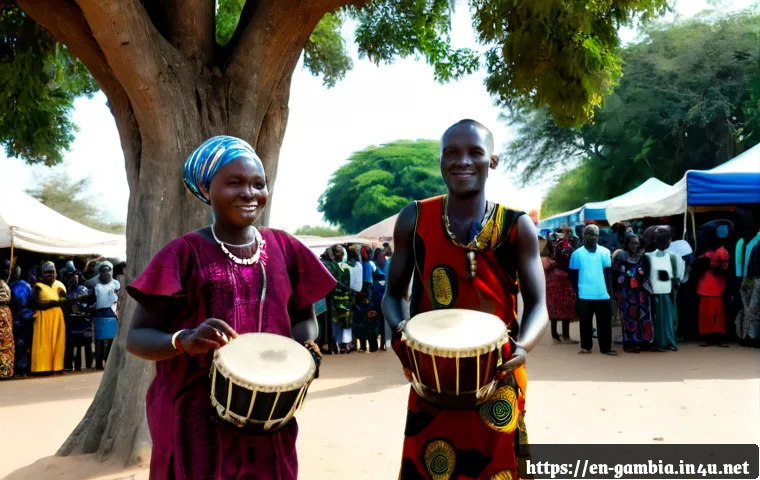
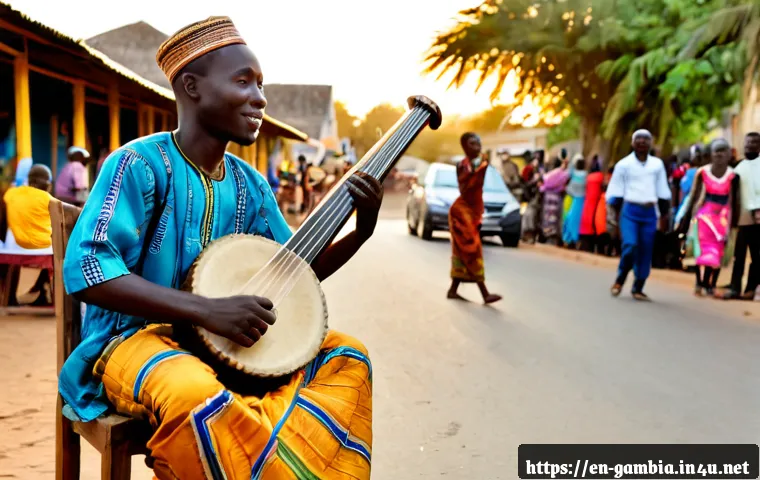
Informal performances can be a rewarding way to hear Gambian drumming, dance, singing, kora music, or storytelling, but it is best to watch first and ask before recording or joining in.
A guided cultural walk, hotel event, or organized performance may be more suitable when you want clearer timing, transport planning, or payment expectations.
For spontaneous encounters, carry small Gambian dalasi (GMD) amounts and avoid assuming that a performance is free or that tipping is required. The atmosphere can vary widely between community spaces, markets, hotels, festivals, and other public settings.
Choose a local guide or venue-based event for context and predictability, not simply because it appears more formal. Respectful attention, personal space, and a simple question about photography go a long way.
At a Glance
- Informal performances can change quickly: observe first, then ask about filming, joining, or payment expectations.
- Small amounts of Gambian dalasi (GMD) can be useful for transport, refreshments, optional tips, or entry where applicable.
- Guides, hotel concierge services, and organized events can offer clearer timing and transport planning, but their community practices should still be checked.
| Experience | Cost Predictability | Access and Timing | Etiquette Consideration |
|---|---|---|---|
| Spontaneous street or community encounter | Usually unclear; do not assume free entry or an expected tip | Flexible, but schedules and lineups may change | Ask before filming, standing close, or joining a dance circle |
| Hotel entertainment | Often easier to ask about in advance | May suit travelers who need a known location | Still confirm recording and participation rules |
| Guided cultural walk | Ask what the guide fee includes before booking | Can add local context and help with navigation | Ask how performers and communities are approached or supported |
| Organized cultural event | Ask about entry, transport, and any separate costs | May offer more predictable timing | Follow venue guidance and audience boundaries |
What Visitors Can Expect From Live Performance in Gambia
Music, Dance, Storytelling, and Informal Public Spaces
Live performance in Gambia may include drumming, dance, singing, storytelling, and kora music. The kora is a West African harp-lute commonly associated with griot musical traditions. Across parts of the wider Mandé cultural region, griot traditions are linked with oral history, praise singing, music, and storytelling.
You may encounter these forms at community gatherings, markets, hotels, festivals, or other public and semi-public spaces. A public setting does not automatically mean that performers want close-up attention, recording, or online sharing. Treat the moment as a shared cultural space rather than a tourist attraction created for your camera.
Why the Experience Can Differ Between Towns, Venues, and Seasons
There is no single format for a Gambian music or dance experience. A short community performance, a hotel program, and a ticketed cultural event can feel very different. Schedules, performer lineups, access, and payment expectations may change, especially in informal settings.
If a particular performance matters to your travel plans, ask your accommodation concierge, local guide, or event organizer about the time, location, transport options, and expected payment. Confirming these details is more useful than relying on a general description or an old itinerary.
Quick Answer: Observe First, Ask Permission, and Carry Small Local Currency
Start by watching from a comfortable distance. If you want to take photos, record video, move closer, or participate, ask first. Carrying small GMD amounts is practical, but do not treat cash as a substitute for consent or assume that every musician expects a tip.
Street Encounter, Hotel Show, Guided Walk, or Cultural Event?
Choosing for Atmosphere, Context, and Convenience
A spontaneous encounter can offer an unplanned local moment, but it also comes with uncertainty. You may not know the schedule, the performers, or whether a contribution is expected. This works well for independent travelers who are comfortable adapting their plans.
A hotel show or organized cultural event may be a better fit if you need predictable timing, a known meeting point, or easier evening transport planning. A venue-based experience is not automatically more meaningful, but it can reduce logistical stress for families, first-time visitors, and travelers with limited mobility or limited time.
When a Local Guide Can Add Useful Context
A local guide can be valuable when your main interest is deeper musical, historical, or storytelling context. They may also help you understand how to approach a gathering respectfully and how to arrange transport back afterward. Before booking a cultural tour, ask what is included and whether the plan depends on informal performances that may not be available that day.
It is also reasonable to ask how the guide works with performers and communities. Look for payment transparency, respectful introductions, and realistic promises rather than guarantees of a particular performance.
When a Venue-Based Event May Suit Travelers Who Need Predictable Timing
Choose a venue-based event when your priority is structure. Ask the hotel, venue, or organizer whether there is a set start time, whether seating or entry arrangements apply, and what transport choices are available after the program. This can be especially helpful if you do not want to negotiate transport late in the evening.
Budgeting Respectfully for Music and Dance Experiences
Plan for Transport, Food, Optional Tips, and Paid Entry
Rather than searching for a fixed “street performance price,” create a simple GMD budget with separate categories: local transport, refreshments, optional tips, guide services, and possible entry costs. This approach leaves room for different types of experiences without assuming that every encounter has the same price or payment model.
If you are booking a guided walk or cultural event, ask whether transport and entry are included. If you are attending something through a hotel concierge, ask whether any charges are separate from food, drinks, or the event itself.
How to Ask About Payment Expectations
A polite, direct question avoids awkward assumptions. You can ask, “Is there an entry fee?” “Is a contribution expected?” or “What does the guide fee include?” Ask before the performance begins when possible, not after you have taken photos or accepted an invitation to participate.
Why the Lowest-Price Option Is Not Always the Best Choice
A very low-cost option may offer little clarity about transport, group size, performer treatment, or where your money goes. Value is not only about price. Consider whether the arrangement gives you enough information to attend respectfully and whether it avoids pressuring performers or audience members.
Etiquette, Safety, and Common Visitor Mistakes
Ask Before Filming, Photographing, or Joining a Dance Circle
Permission matters. Ask before making close-up recordings of performers or audience members. A general view of a public setting is not the same as filming someone’s face, a child, or a personal interaction. Also ask before stepping into a dance circle or accepting an invitation to join.
Avoid Intrusive Behavior and Unwanted Bargaining
Do not block performers, push forward for a better angle, or repeatedly ask people to pose. Avoid bargaining over a tip or contribution after someone has performed. If expectations are unclear, ask calmly and decide whether you are comfortable participating before the interaction develops.
Plan Your Return Transport After Evening Performances
Evening events require an extra practical check: how will you return to your accommodation? Confirm your transport plan before leaving, especially if the venue is unfamiliar or the performance is outside your usual area. A hotel concierge or local guide may be useful when you need help comparing transport arrangements.
Choosing the Right Experience for Your Travel Style
Independent Travelers Seeking Spontaneous Local Moments
Choose informal encounters if you enjoy flexibility and are comfortable with uncertainty. Keep your plans open, observe respectfully, and avoid building an entire day around an unconfirmed street performance. Small GMD notes and a clear return-transport plan can make the experience easier.
Families and First-Time Visitors Who Prefer Structure
A hotel program, organized event, or guided cultural outing may be more comfortable for families and first-time visitors. Look for a clear meeting point, timing information, group details, and a simple explanation of what is included. Predictability can be worth more than chasing a spontaneous encounter.
Travelers Looking for Deeper Music, History, or Storytelling Context
If your interest goes beyond watching a performance, a local guide may add useful context around kora music, oral history, and griot traditions. Ask whether the experience includes discussion and respectful engagement, rather than only a quick stop for photographs.
Selection Criteria and Comparison Summary
Before choosing a street encounter, cultural tour, hotel program, or organized event, check timing, location, return transport, group size, payment clarity, and recording rules. Ask whether fees include transport or entry, whether the performance is confirmed or informal, and how the organizer approaches performer consent and community benefit. For a guided tour or accommodation-arranged event, review the official details and conditions on the relevant booking page before making a decision.
In Closing
Gambia’s live performance culture is best approached with curiosity and patience. Informal settings can be memorable, but they are not fixed products with guaranteed schedules or identical payment customs. Watching first, asking permission, and planning a modest cash and transport buffer will help you make respectful choices. When convenience matters, a guide, hotel concierge, or organized event can provide useful structure.
Useful Things to Know
Currency: The Gambian dalasi (GMD) is the national currency, and small cash amounts can be useful in informal settings.
Music: The kora is a West African harp-lute associated with griot musical traditions.
Respect: Ask before photographing, filming, recording audio, dancing, or sharing content online.
Planning: Confirm local transport and return arrangements before attending evening performances.
Important Notes
Specific event schedules, permit requirements, transport prices, guide rates, and entry practices can vary by town, season, venue, and organizer. A performance may be informal, may change at short notice, or may not have a standard payment expectation. Check current details directly with a guide, hotel, venue, or event organizer, and do not assume that all performers welcome recordings or online sharing.
Frequently Asked Questions
Q1. Do you need to pay to watch street performers in Gambia?
A1. Not necessarily, but you should not assume an informal performance is free or that a tip is expected. Observe first and politely ask about any contribution, entry, or payment expectation. Carrying small GMD amounts can be useful if you choose to support a performance or need transport and refreshments.
Q2. Is it safe to attend evening music or dance performances as a visitor?
A2. Safety conditions depend on the location, timing, transport arrangement, and the specific event. A practical step is to plan your return transport before attending. If you want more structure, ask your accommodation concierge, a local guide, or an event organizer about the meeting point and transport options.
Q3. Are guided cultural tours worth the cost compared with finding performances independently?
A3. They can be worthwhile if you value context, clearer logistics, and help navigating local transport. Before booking, ask what the guide fee includes, whether the performance is confirmed or informal, the likely group size, and how the guide works with performers and communities. Independent exploration may suit travelers who are comfortable with changing plans and limited certainty.